Boxer
- Fun pictures /
- Sports /
- Boxer

The boxer dog breed was originally developed in Germany in the late 19th century, known for its strong build and playful nature. Boxers are famous for their distinctive square-shaped heads and powerful jaws, making them look tough but friendly. These dogs have a unique way of "boxing" with their front paws, which is how they got their name.

Boxers are highly energetic and need lots of exercise to stay happy and healthy, making them great companions for active families. Despite their muscular appearance, boxers are very gentle and often form strong bonds with children. Their short coat makes grooming easy, but they do shed, especially during seasonal changes.

Boxers have a lifespan of about 10 to 12 years, which is typical for medium-large dog breeds. They were once used as working dogs in the military, thanks to their intelligence and loyalty. Boxers are known to be very expressive with their faces, often making comical or curious expressions that charm their owners.

Boxers are prone to some health issues like hip dysplasia and heart problems, so regular vet check-ups are important. They tend to be stubborn learners, so positive reinforcement and patience work best during training. These dogs thrive on human interaction and can suffer from separation anxiety if left alone for long periods.

Boxers have a unique bark that can sound like a mix between a growl and a grunt, which adds to their character. They were popular in movies and TV shows, often cast as loyal and brave pets. Boxers love to play and can often be found jumping around or nudging their owners for attention.

Their strong jaws are surprisingly gentle when playing, making them great with kids and other pets. Boxers have been used as therapy dogs because of their affectionate and protective nature. They require a balanced diet and plenty of water to keep their muscles in top shape.

Boxers are one of the few breeds that "smile" by pulling back their lips, showing a friendly grin. They enjoy mental challenges like puzzle toys and obedience games to keep their brains sharp. Boxers are naturally curious, often investigating new smells or sights enthusiastically.

Their tails are usually docked in countries where the practice is still allowed, though some owners prefer natural tails. Boxers have a powerful sense of smell and have been used in search and rescue missions. They are excellent watchdogs but rarely aggressive, usually warning with barks before anything else.

Boxers need early socialization with other dogs and people to grow into well-behaved adults. Their playful antics can last well into adulthood, making them seem forever young. Boxers have a special charm that combines goofiness with loyalty, winning many hearts.
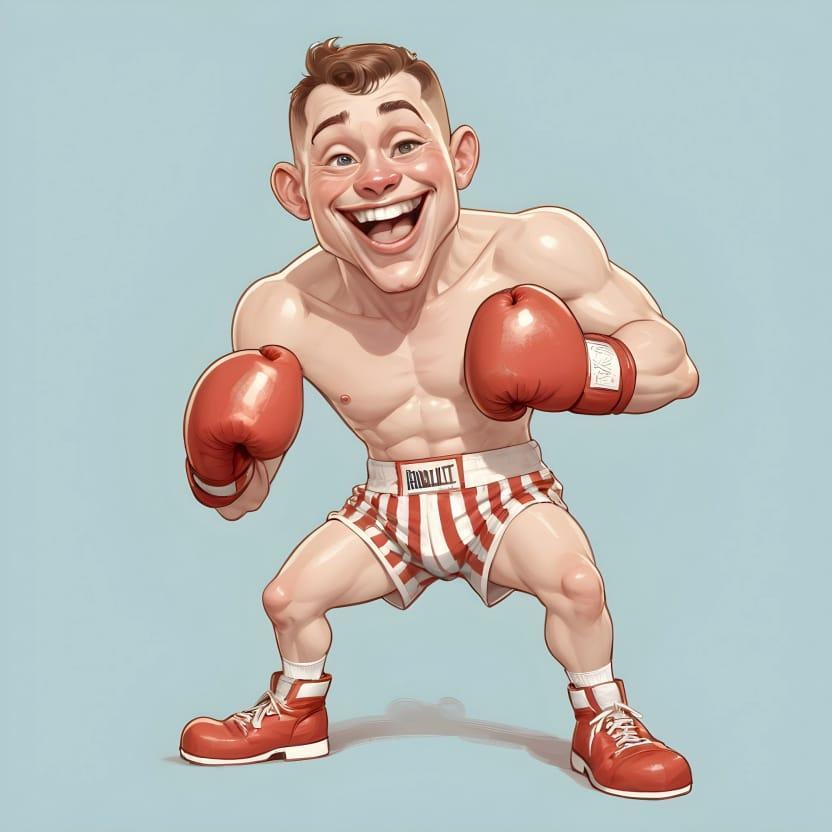
They are known to "bounce" when excited, often jumping up and down in bursts of energy. Boxers have a sleek, short coat that comes in colors like fawn, brindle, and white. Despite their strength, they are quite sensitive and respond well to calm, gentle training.

Boxers are great swimmers but not all of them love water, so it's best to introduce them slowly. They have been featured on postage stamps and in art because of their iconic look. Boxers are generally healthy but need protection from extreme heat due to their short noses.

Boxers communicate a lot through body language, using tail wags, ear positions, and facial expressions. They often sleep deeply and can snore loudly, which some owners find endearing. The breed's name "boxer" was given because they use their front paws like a boxer throwing punches.

Boxers are intelligent problem-solvers and enjoy learning new tricks that challenge them. They were bred from the now-extinct Bullenbeisser dog, used for hunting large game. Boxers have a strong prey drive, so care should be taken when introducing them to smaller pets.

They have a playful bark that often sounds more like a laugh when they’re excited or happy. Boxers need consistent exercise routines to avoid boredom, which can lead to destructive behavior. They are one of the most popular dog breeds worldwide, loved for their balance of strength and gentleness.

Boxers often form “puppy-like” bonds even as adults, staying playful throughout their lives. Their strong muscles and agility make them excellent at dog sports like agility and obedience. Boxers were once trained as police dogs in Germany before other breeds took over the role.

Their sensitive skin requires regular checks, especially in folds around the face to avoid infections. Boxers rarely bark without reason, which makes them good urban watchdogs. They have a distinctive way of tilting their heads when curious, which many find adorable.

Boxers love to chew, so providing plenty of toys is essential to keep them occupied. They have large, soulful eyes that express a wide range of emotions. The breed is famous for its loyalty and often stays close to its family members.

Boxers’ facial wrinkles help channel sweat away from their eyes, keeping vision clear during exercise. They were sometimes called "the clown of dogs" because of their funny and lively personalities. Boxers adapt well to both apartment and house living, as long as they get enough exercise.

Boxers have webbed toes, which help them swim better than many other breeds. They’re one of the few breeds that use both their voice and body language to communicate clearly. Boxers have been companions to many famous people, including presidents and celebrities.

Boxers are natural athletes, excelling in activities that combine speed, strength, and endurance. They form strong emotional bonds and can sense their owner’s moods, often offering comfort. Their playful energy and affectionate nature make boxers wonderful lifelong friends.