Boxing
- Fun pictures /
- Sports /
- Boxing
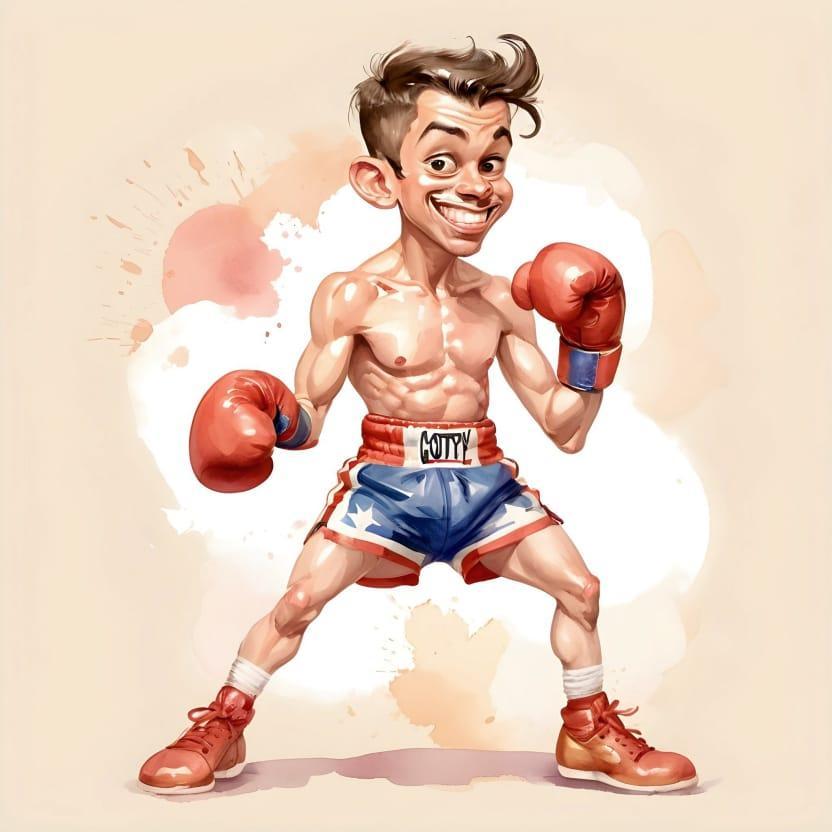
Boxing dates back thousands of years, with ancient artwork from Mesopotamia showing fighters using bare fists. The first official boxing rules, known as the London Prize Ring Rules, were introduced in 1743 to make the sport safer. Boxing gloves were invented not just to protect fighters’ hands, but also to reduce facial cuts and injuries.
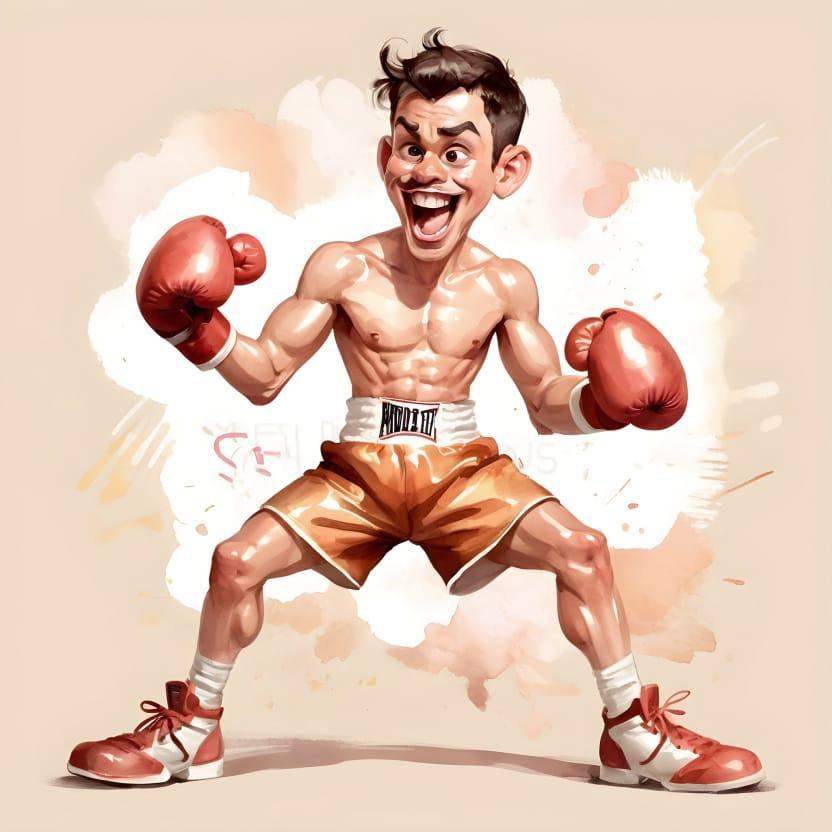
Muhammad Ali, one of boxing’s greatest, was known for his quick footwork and the famous phrase, “Float like a butterfly, sting like a bee.” In boxing, a match can be won by knockout (KO), technical knockout (TKO), or judges' decision if it goes the distance. Boxing is one of the few sports where weight classes play a crucial role, ensuring fighters compete fairly.
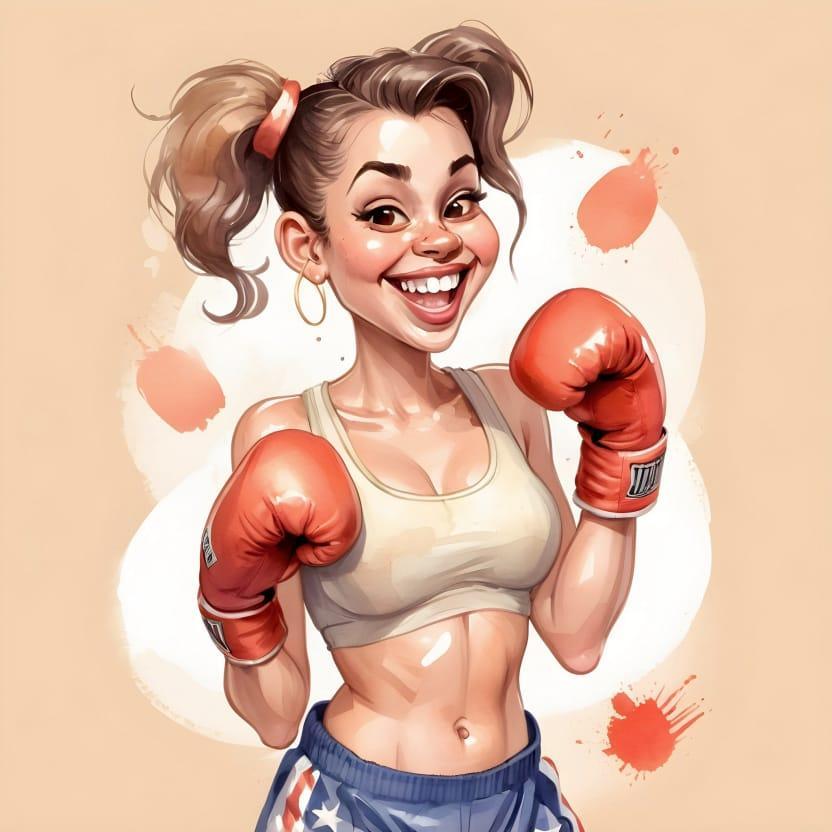
The “rope-a-dope” strategy, famously used by Ali, involves leaning against the ropes to tire the opponent before counterattacking. Boxing was included in the first modern Olympic Games in 1904, highlighting its global appeal. Women’s boxing gained Olympic recognition only in 2012, showing the sport’s growing inclusivity.
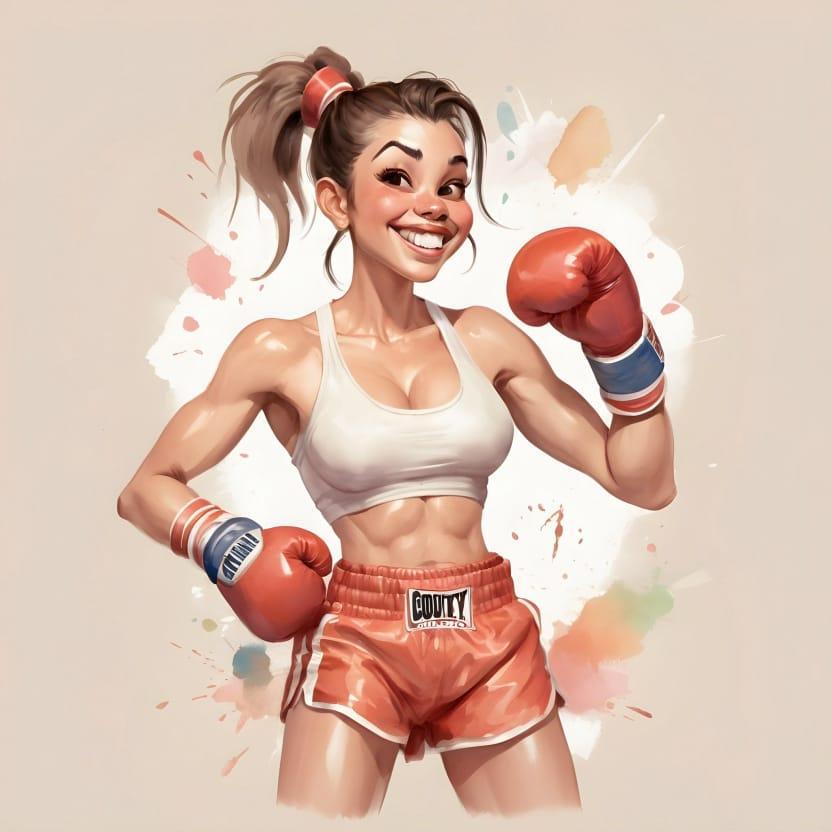
Boxing training isn’t just about punching; it involves intense cardio, strength, and agility workouts. The fastest knockout in professional boxing history lasted just 1.5 seconds, showing how quickly a fight can end. Boxing referees are trained to protect fighters from unnecessary harm by stopping fights early if needed.
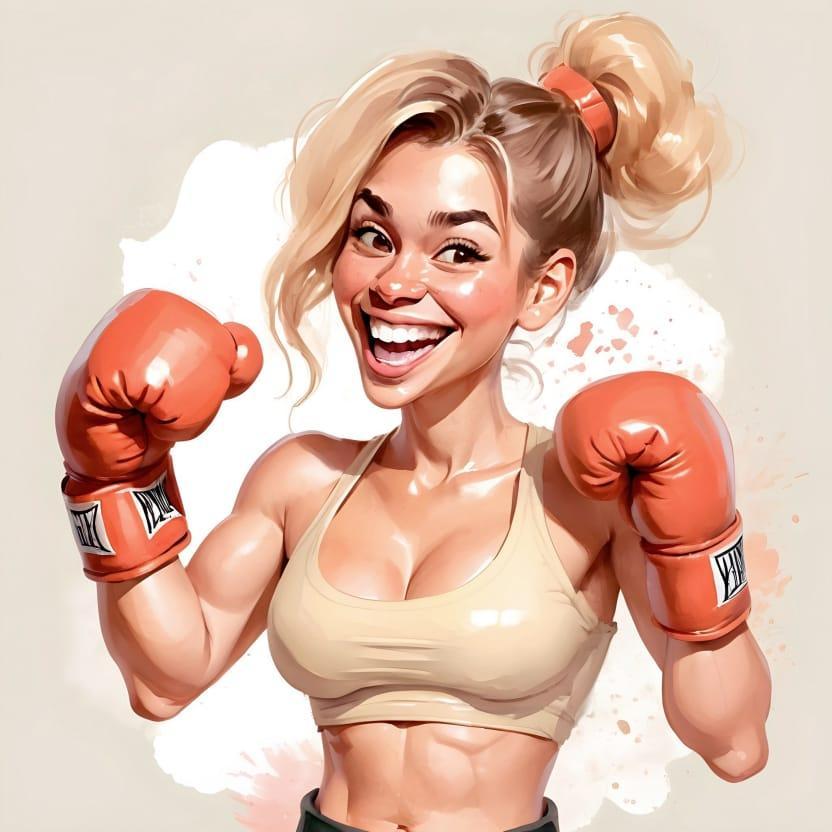
Some boxing legends never lost a professional fight, like Rocky Marciano, who retired undefeated with a 49-0 record. Boxing matches used to be bare-knuckle before gloves became mandatory in the late 19th century. The sound of gloves hitting the heavy bag during training helps boxers develop rhythm and timing.
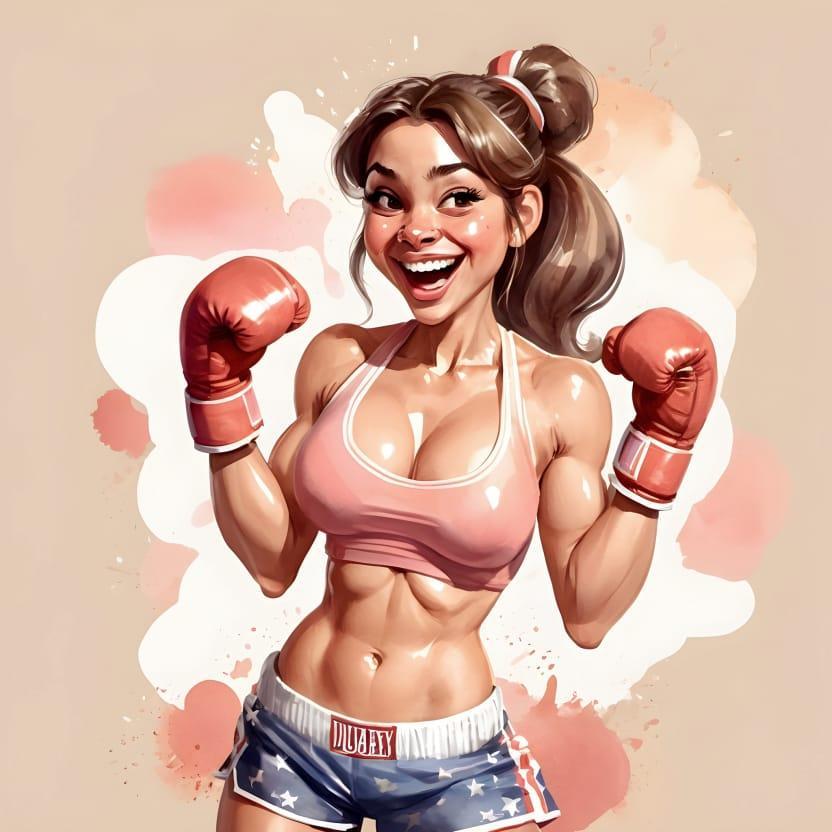
Boxing can burn up to 800 calories per hour, making it a popular workout for fitness enthusiasts. Many actors have trained in boxing to prepare for tough roles, including Sylvester Stallone in 'Rocky'. Boxing gyms often use jump ropes to improve fighters' footwork, coordination, and endurance.

The famous “sweet science” phrase describes boxing’s blend of skill, strategy, and athleticism. Some cultures used boxing as a rite of passage, proving a young man’s strength and courage. Boxing champions often have nicknames, like “The Greatest” for Muhammad Ali or “Iron Mike” for Mike Tyson.
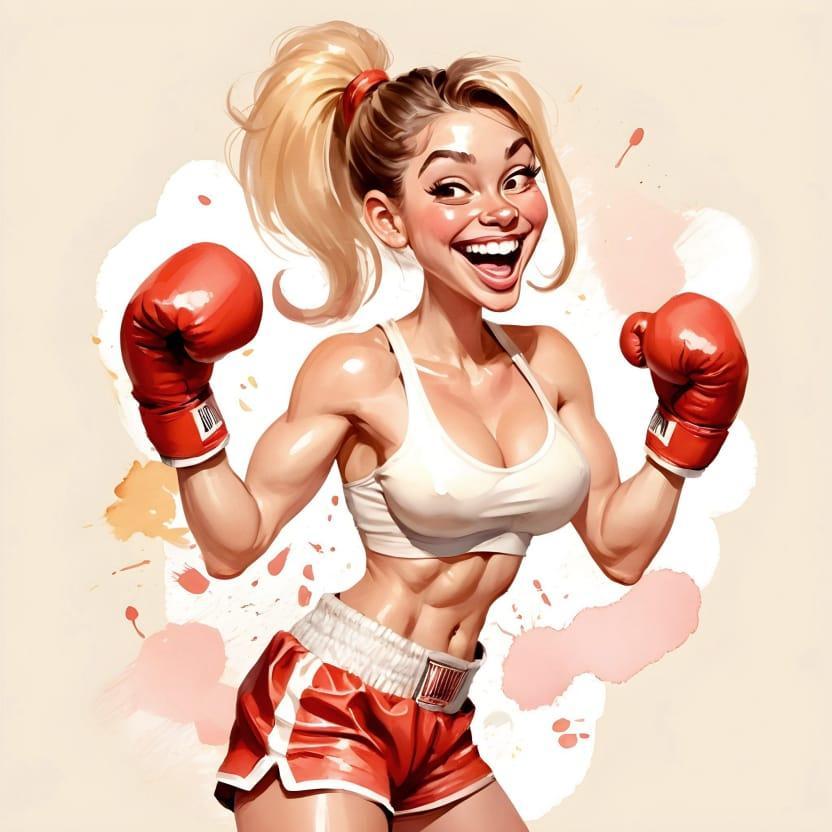
Boxing can improve mental toughness because it requires focus, discipline, and quick decision-making under pressure. The longest boxing match on record lasted 7 hours and 19 minutes with 110 rounds before a winner was declared. Boxing’s footwork drills help fighters stay balanced and avoid punches while preparing to strike back.

Many boxing matches have inspired movies and books, making the sport a rich part of pop culture. The bell ringing between rounds is crucial for fighters to recover and adjust their game plan. Boxing promoters often organize events that attract thousands of fans, showing the sport’s entertainment value.

Boxing requires a lot of discipline, including strict diet control to make weight before fights. Some boxing moves, like the jab, are designed to keep opponents at a distance and set up powerful punches. Boxing training improves hand-eye coordination, which is helpful beyond the ring in everyday activities.
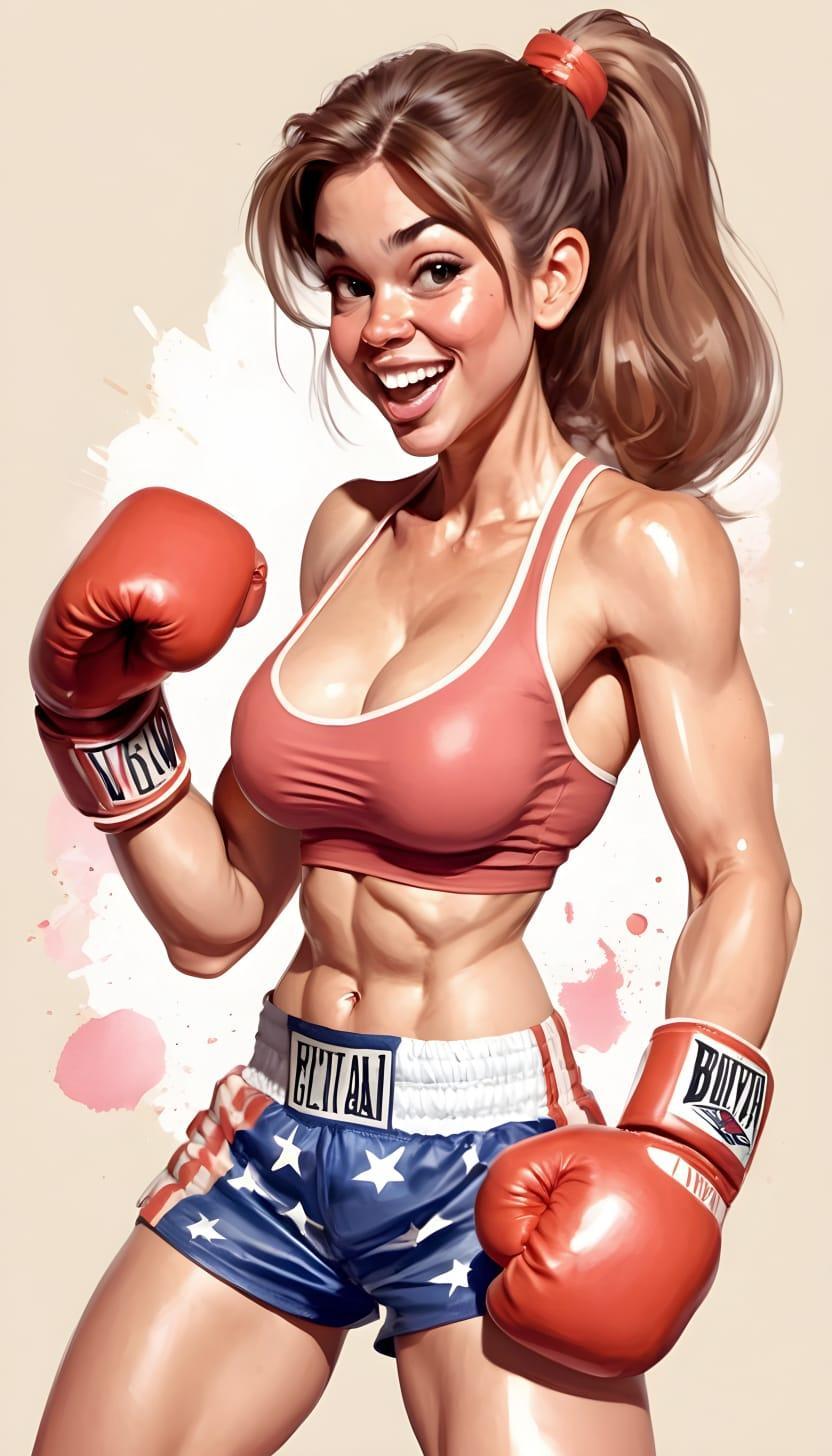
Boxing can be a powerful tool for self-confidence, especially for people learning to defend themselves. Many famous boxers came from tough backgrounds and used boxing to change their lives. The scoring system in boxing awards points for clean, effective punches landed during a match.

Boxing gloves have different sizes and weights depending on the type of fight or training session. The boxing ring is traditionally 16 to 24 feet squared, enclosed by ropes for safety. Referees in boxing can deduct points for fouls like hitting below the belt or headbutting.
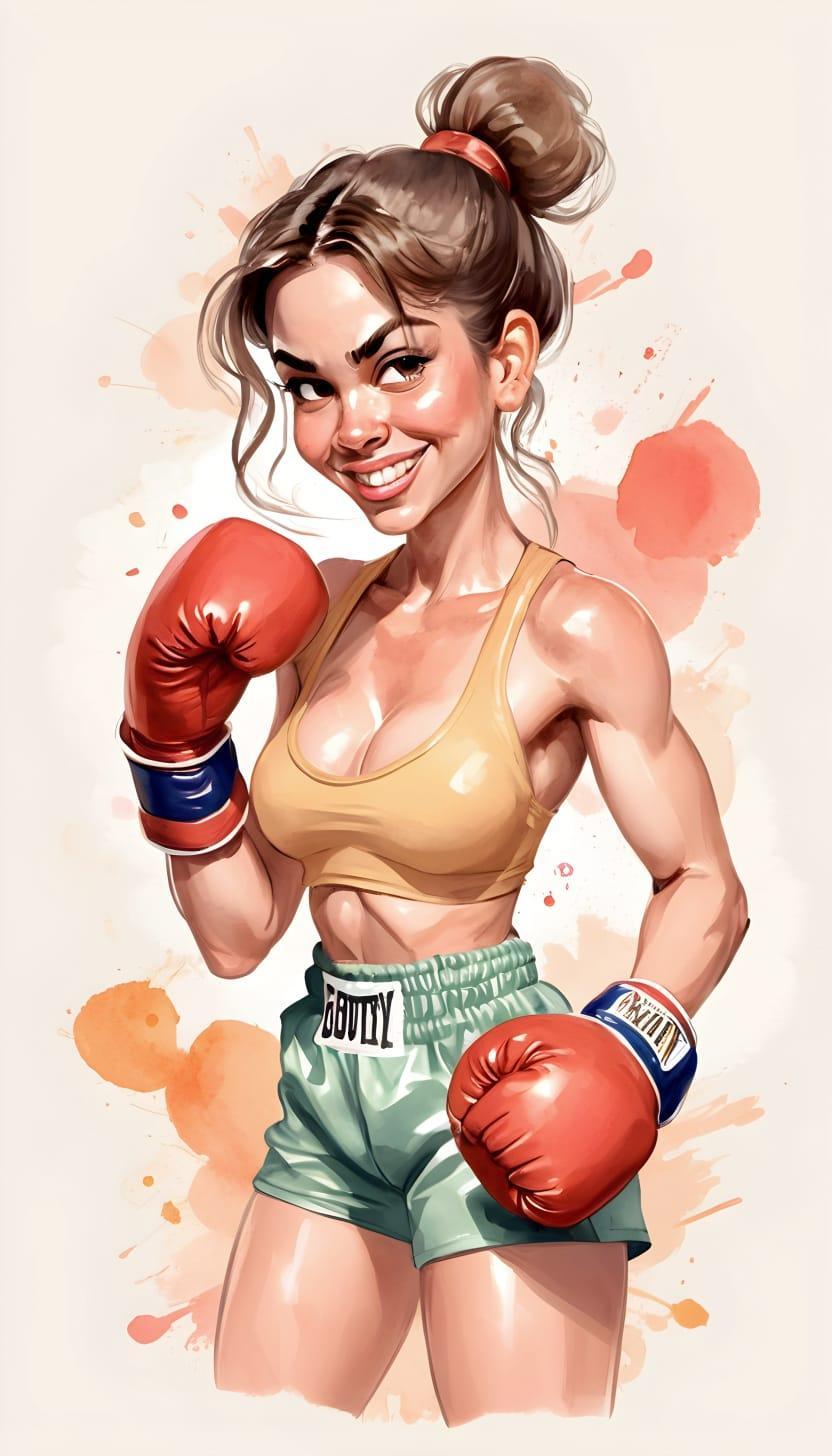
Boxing history includes legendary rivalries like Ali vs. Frazier, which captivated the world with their intensity. Some boxing styles focus on aggressive offense, while others prioritize defense and counterpunching. Boxing footwork often looks like a dance, requiring balance, rhythm, and quick changes in direction.
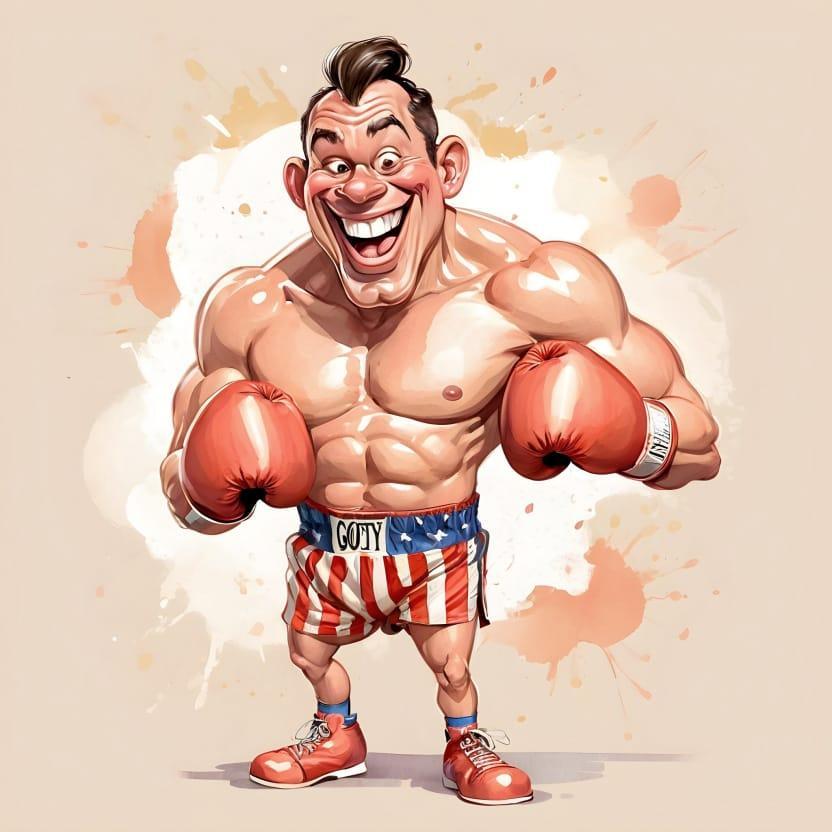
Boxing has been used in therapy programs to help with stress relief and build discipline. Many boxers wear mouthguards to protect their teeth and reduce the risk of concussions. Training with a coach is essential in boxing to develop technique and improve weaknesses.
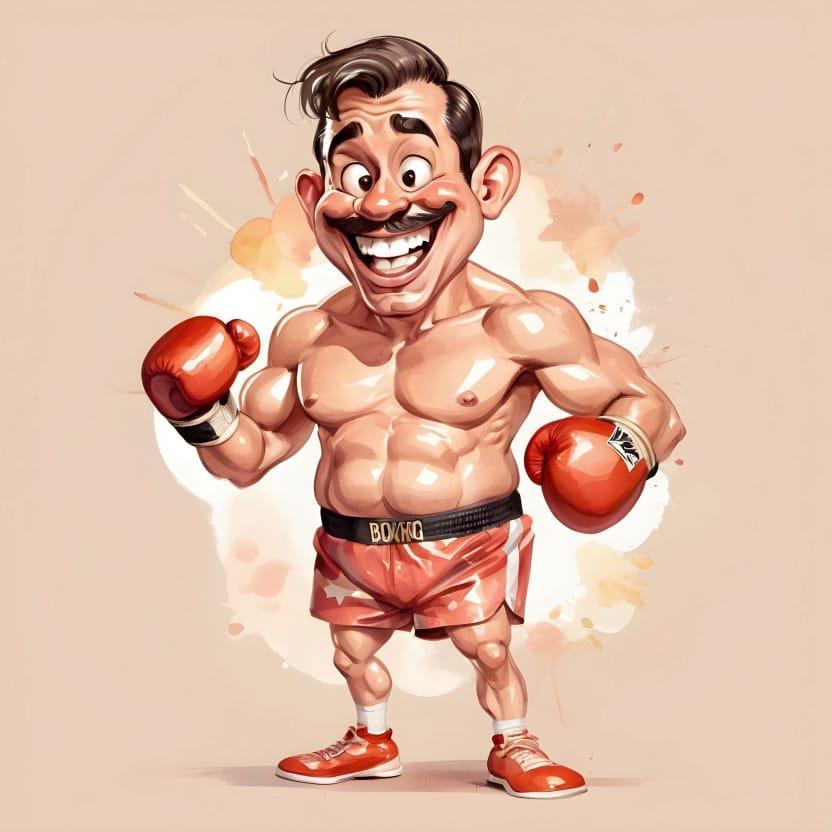
The word “boxing” originally referred to the gloves, or “boxes,” used in the sport. Professional boxing matches are usually scheduled for 12 rounds, each lasting three minutes. Boxing’s popularity exploded in the early 20th century with stars like Jack Johnson and Jack Dempsey.
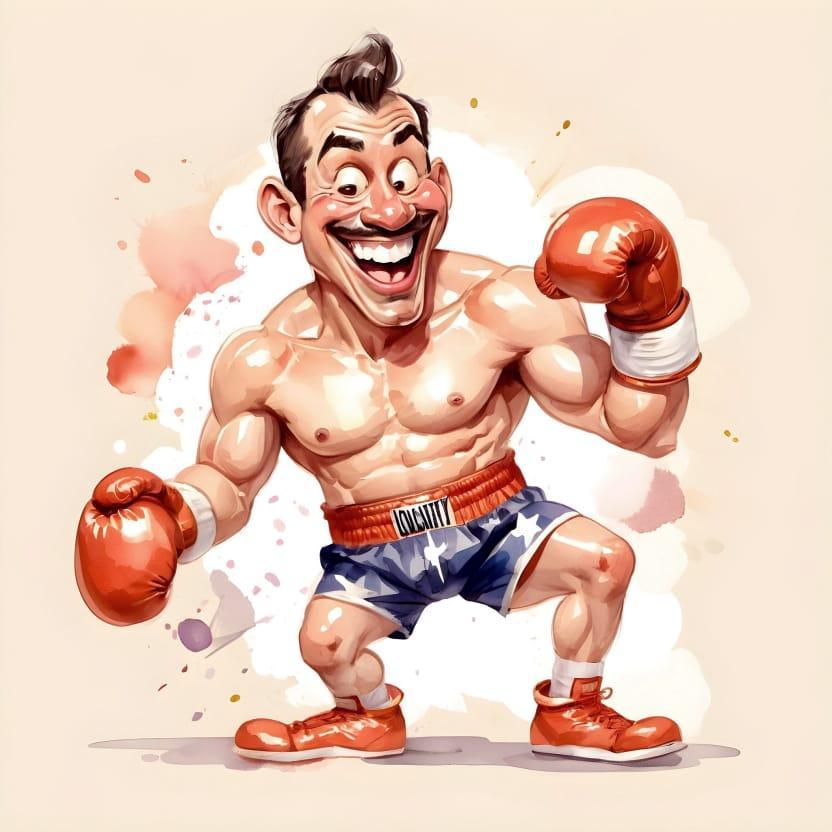
The boxing stance is key: it provides balance and power while protecting the fighter’s face and body. A “southpaw” in boxing is a left-handed fighter, which can confuse opponents used to right-handed styles. Boxing tape and hand wraps protect the bones and tendons in a boxer’s hands during fights.
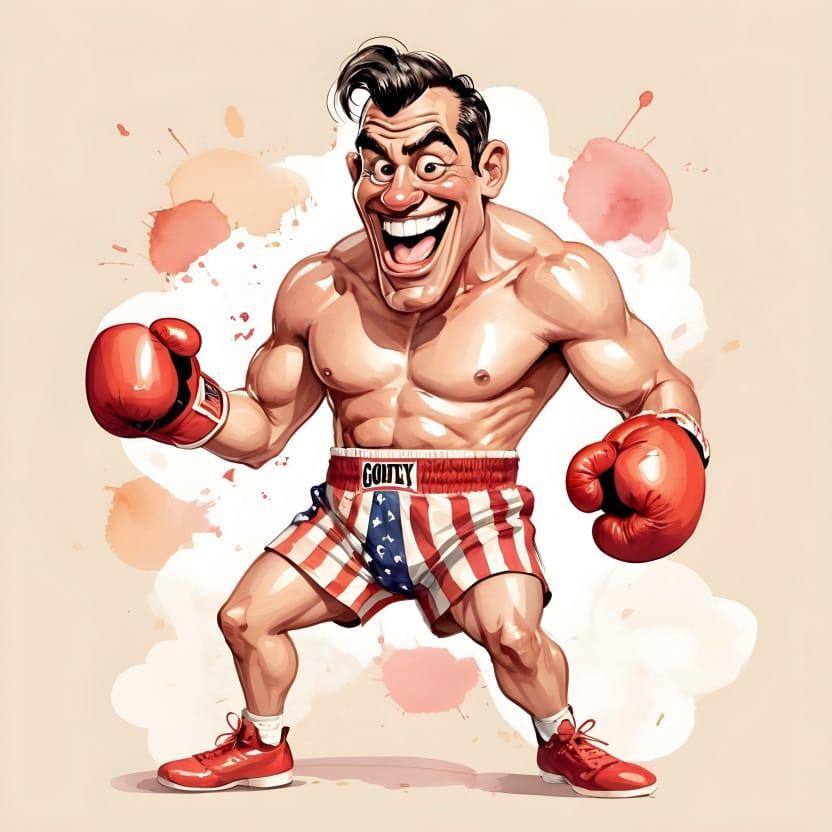
Many boxing gyms have a “corner” team who help the boxer with advice, water, and injury care between rounds. Boxing has a rich tradition of ceremonial rituals, including touching gloves before the fight starts. The term “knockout” means a fighter is unable to get up before the referee counts to ten.
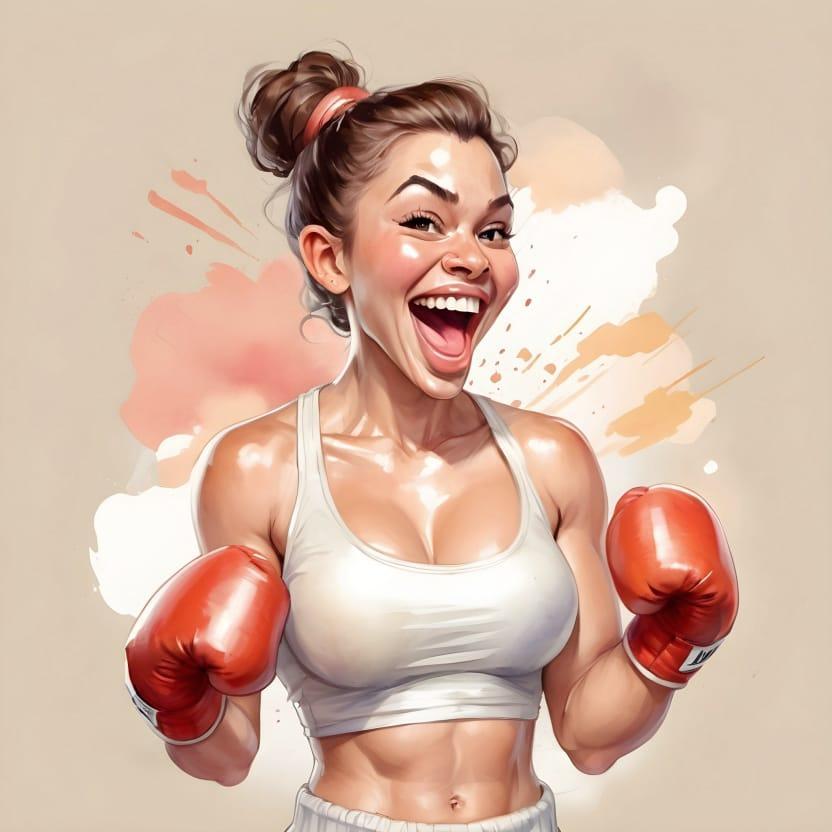
Boxing training often includes shadowboxing, where fighters practice moves without an opponent. The heavyweight division is the most famous in boxing, often producing the most popular champions. Boxing can also improve reflexes, making fighters quicker in everyday life situations.
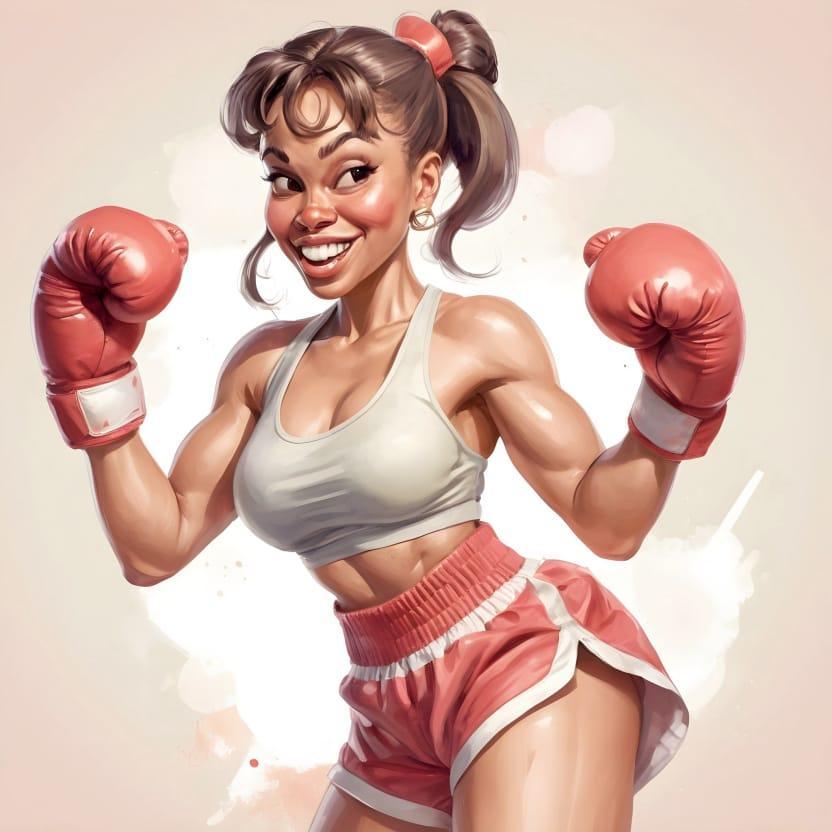
Many boxing matches have turned into historic moments for civil rights and social change. Boxing shoes are designed to be lightweight and provide grip without restricting ankle movement. The “jab-cross-hook” combo is a classic sequence taught to beginners for effective attack.

Boxing requires both physical strength and mental strategy to outsmart an opponent. The sport has inspired countless people to push their limits and overcome challenges. Boxing continues to evolve with new training methods, technology, and growing global popularity.