Baseball fashion
- Fun pictures /
- Sports /
- Baseball fashion
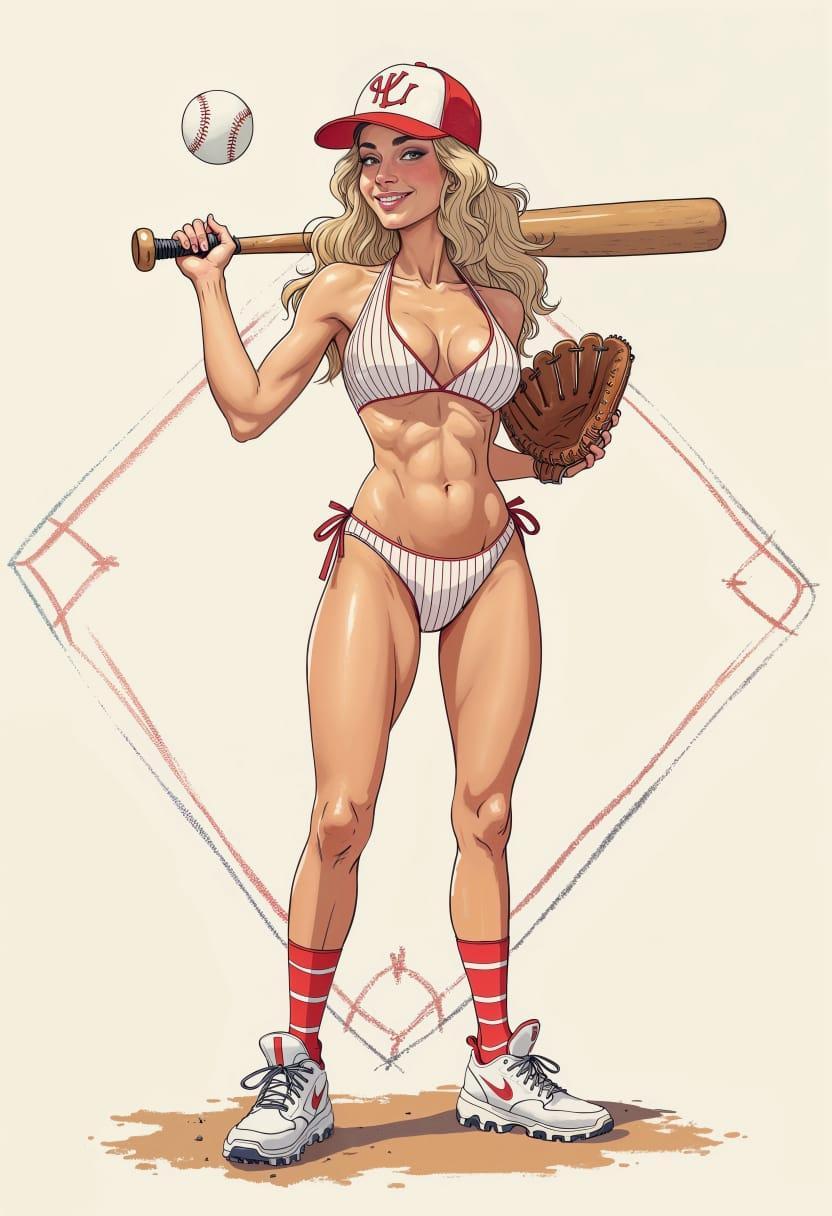
Baseball uniforms didn’t always have numbers. The first major league team to wear numbers on their jerseys was the New York Yankees in 1929, helping fans spot players easily. The classic baseball cap shape comes from the Brooklyn Excelsiors, who first wore a stiff-fronted cap back in the 1860s. Pinstripes, now iconic with baseball, were originally just a practical design choice for keeping the fabric strong and durable.
In the early days, baseball pants were baggy and could be tucked into socks or worn loose — the style depended on the player’s preference and the era. The “flannel” fabric used for jerseys was chosen for its warmth and durability, perfect for spring training in chilly weather. Sneakers were banned from baseball until the 1910s; before that, players wore leather cleats that looked more like regular boots.
The term “baseball fashion” really took off in the 1970s when teams started experimenting with bright colors and flashy designs, moving away from traditional white and grey. Some teams had “throwback” uniforms decades ago, but now, wearing vintage styles is a big trend for fans and players alike. Batting gloves started as purely practical gear but have become a fashion statement with custom colors and logos.
The introduction of polyester in the 1970s changed baseball fashion, making uniforms lighter, stretchier, and easier to clean. Players often personalize their hats and jerseys with patches or pins, turning uniform pieces into collectibles and style icons. Socks with stripes were once mandatory in baseball, showing team spirit and helping umpires spot runners’ movements.
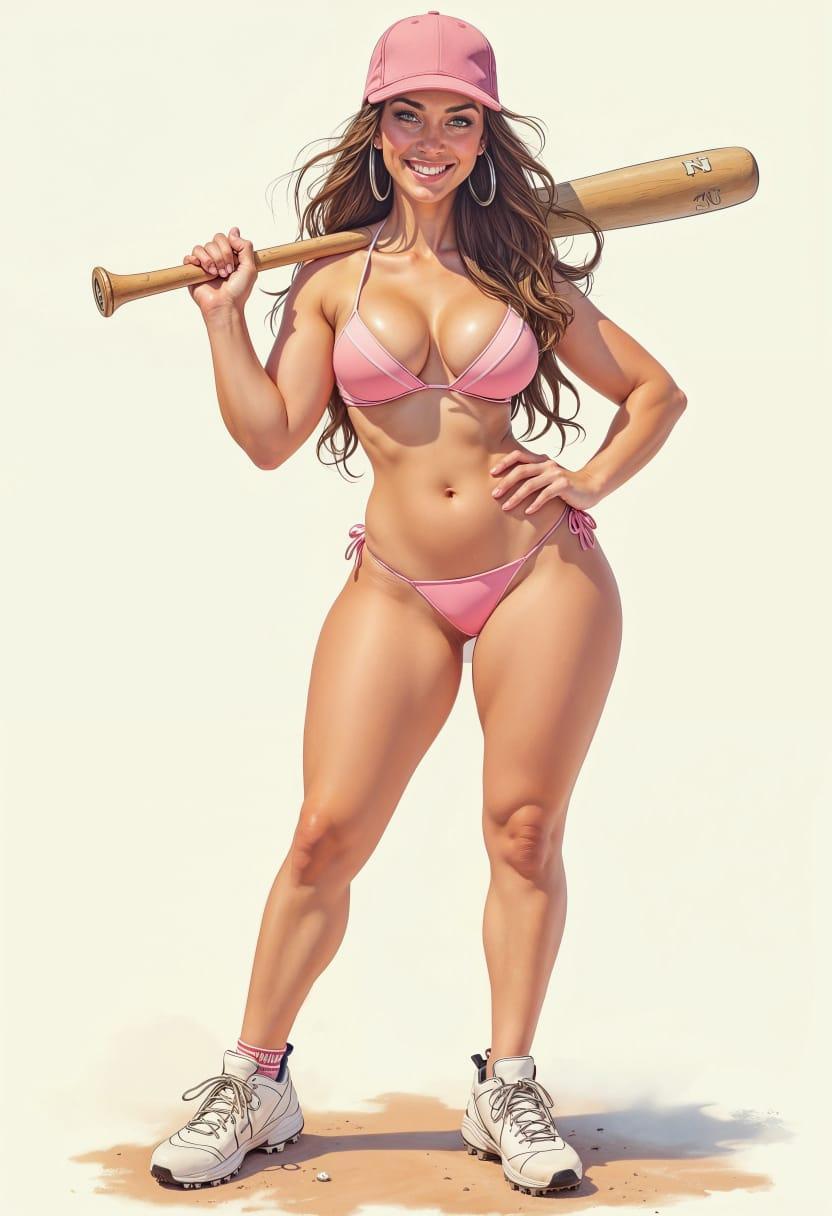
The iconic “baseball fashion” look of high socks and short pants is actually a throwback to the early 20th century, but many modern players prefer long pants for comfort. Some teams have used camouflage patterns for special games, blending military respect with style. Leather belts used in baseball fashion aren’t just functional; they add a classic touch to the uniform’s overall look.
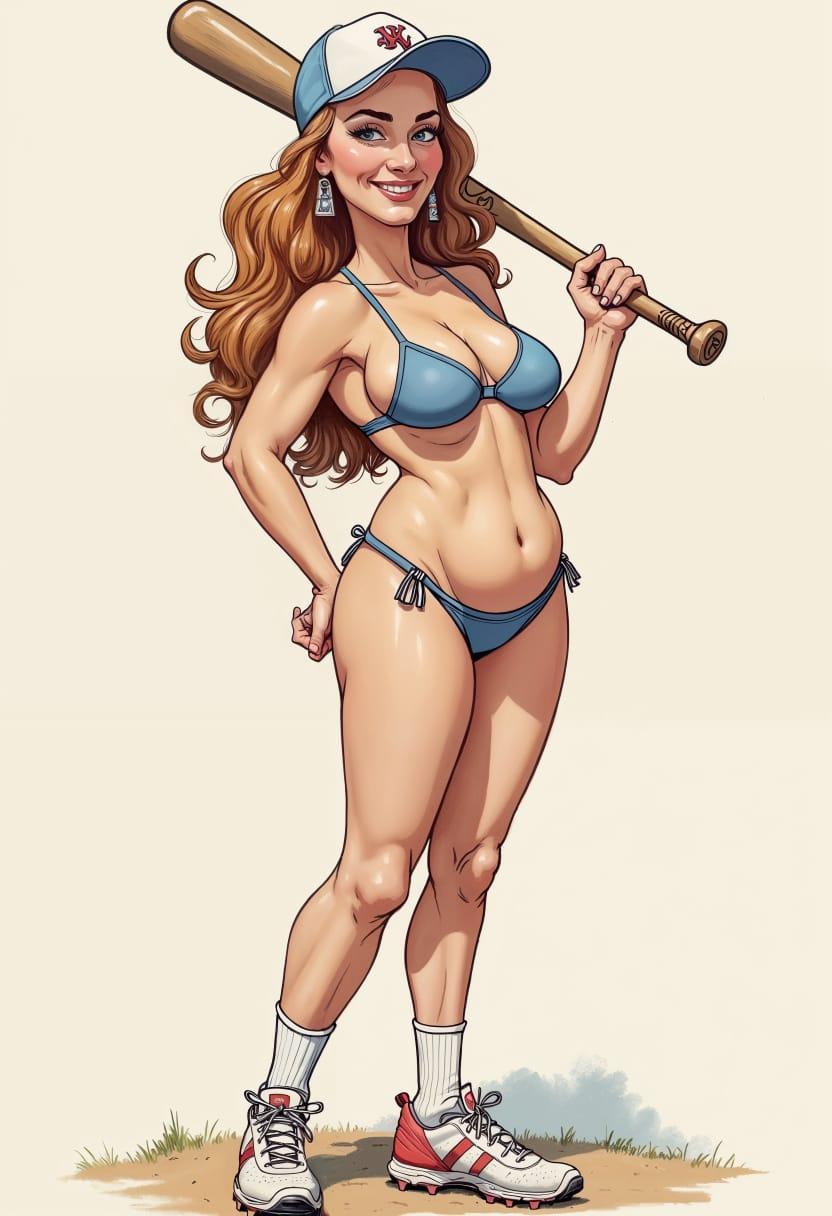
In the 1980s, the Pittsburgh Pirates shocked fans by wearing bright yellow and black uniforms, pushing baseball fashion into bold new territory. The famous New York Yankees cap design barely changed over 100 years, proving timeless style beats trends. Custom cleats are a huge part of baseball fashion today, with players showing off personal flair on the field.
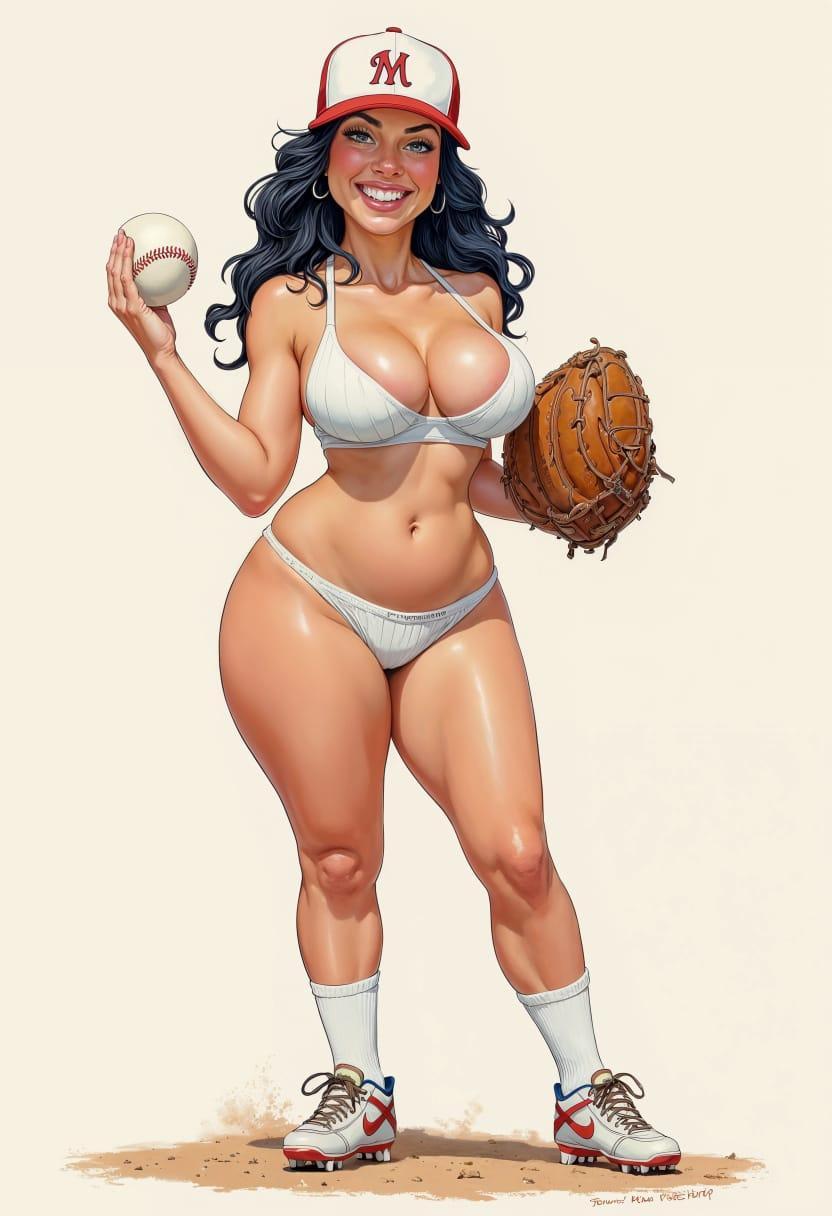
Earflaps on batting helmets became popular in the 1950s to protect players, blending safety with evolving baseball fashion. Before logos were common, some teams used colors and stripes on caps to show identity — subtle but stylish. The “dad hat” style baseball cap got its name for its relaxed, unstructured look, now a popular fashion trend off the field.
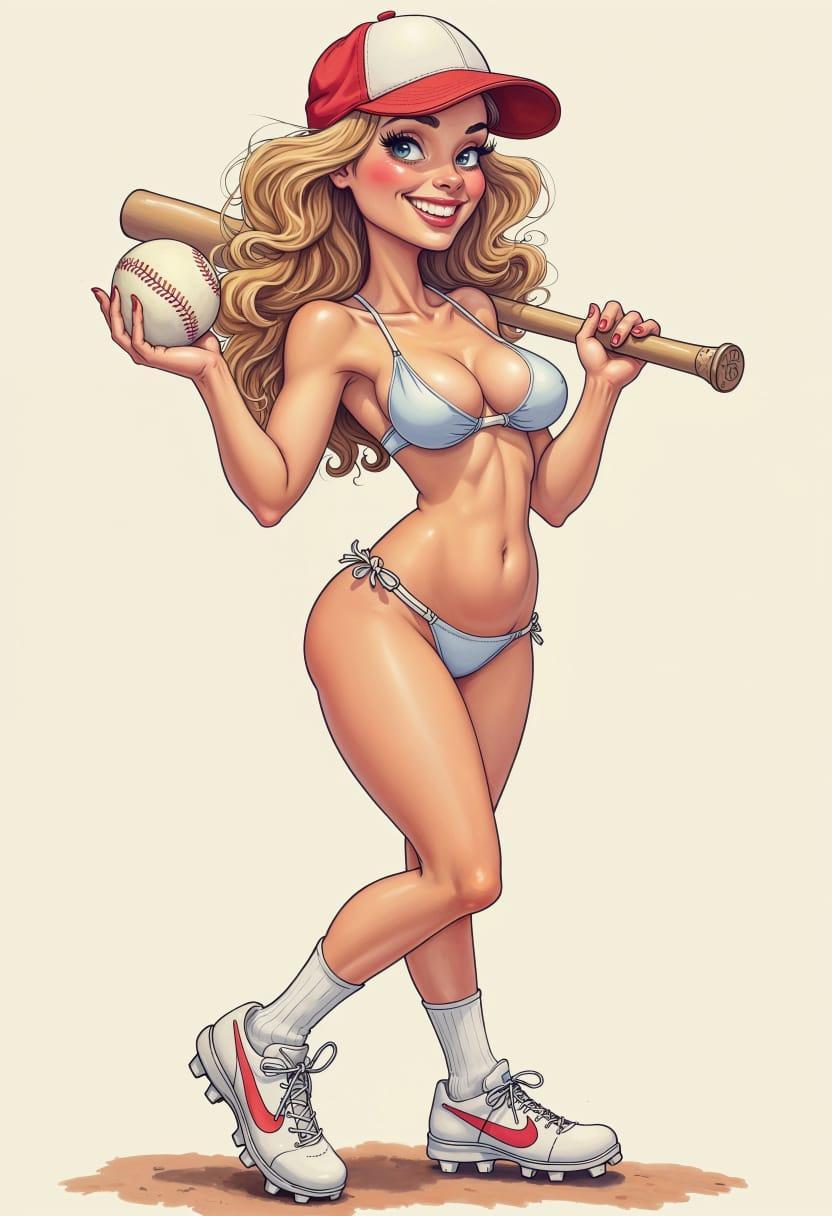
Some teams have experimented with sleeveless jerseys to beat the heat, but most players stick to sleeves for tradition and sun protection. In the 1970s, polyester uniforms sometimes gave players a shiny look, which fans either loved or hated, showing how baseball fashion divides opinions. The baseball jersey’s button-down front design makes it easy to wear and remove, blending function with style.
Women’s baseball leagues in the 1940s had unique uniforms with skirts, adding a different twist to baseball fashion history. Baseball shoes often have cleats designed for specific field types, combining performance with fashion preferences. The stitching pattern on a baseball glove can be a subtle style signature, just like the uniform a player wears.
In winter games, players layer thermal gear under uniforms, mixing baseball fashion with practical cold-weather wear. The popularity of baseball fashion crosses over into streetwear, with caps and jerseys worn casually worldwide. Throwback game days boost interest in baseball fashion by celebrating classic looks and team heritage.
Some players add tattoos or wristbands matching their uniform colors, extending baseball fashion beyond clothing. The “snapback” cap style, popular in the 1990s, made a comeback in baseball fashion for its adjustable fit. Players sometimes wear special patches to honor teammates or events, blending baseball fashion with meaningful tribute.
The glove colors players choose have evolved from traditional brown to bright hues, reflecting changing tastes in baseball fashion. Before mass production, many baseball uniforms were handmade, making each a unique piece of fashion history. The size and shape of baseball jerseys have changed to improve player mobility, balancing fashion with function.
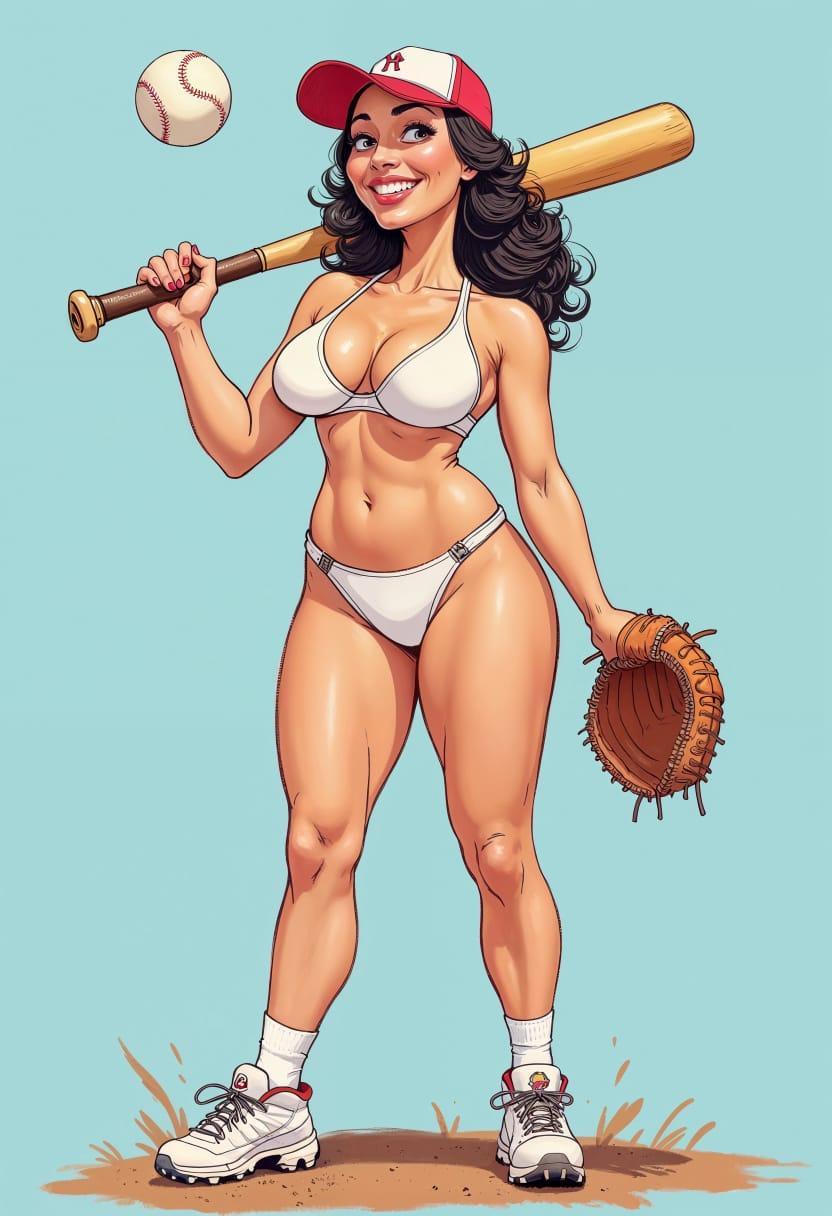
The MLB logo patch first appeared on jerseys in the 1960s, becoming a staple in baseball fashion for authenticity. Sunglasses worn by outfielders aren’t just for sun—they’ve become a cool accessory tied to baseball fashion culture. Some players add their nicknames or initials to gear, personalizing baseball fashion in a subtle way.
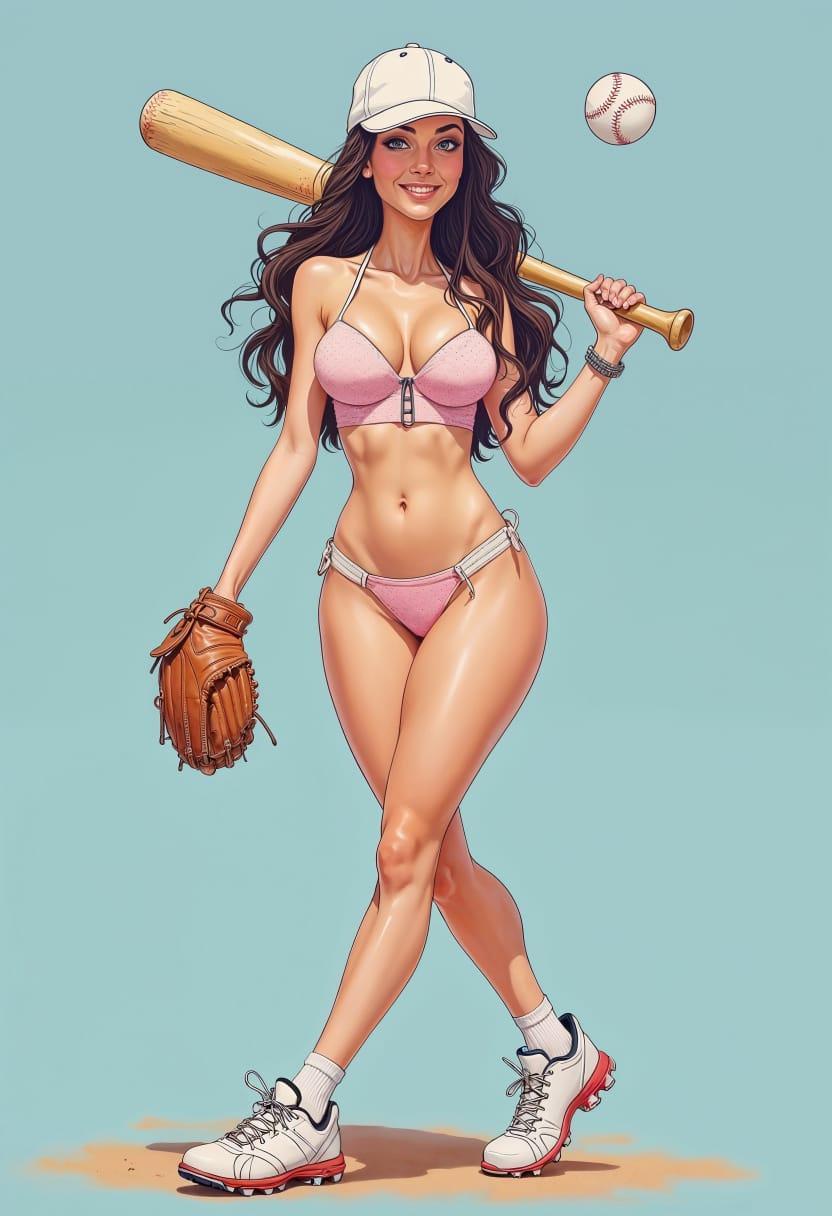
Baseball fashion influences other sports — you can spot similar caps and jerseys in softball, cricket, and even casual wear. The “throwback” jerseys sell out fast among fans, showing how baseball fashion connects generations. The color of the stitching on baseballs has inspired jersey designs, linking equipment and fashion closely.
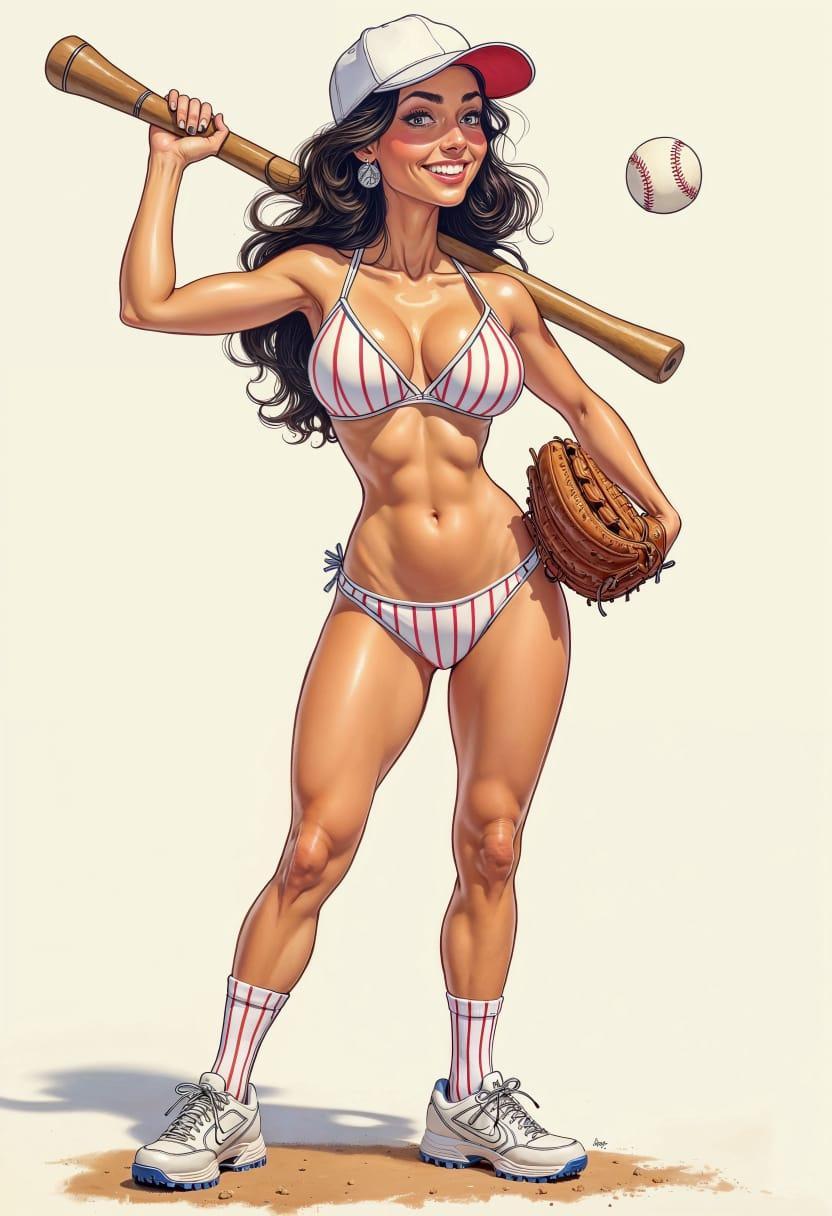
The rise of streetwear brands partnering with MLB teams has brought baseball fashion to global fashion runways. Players use compression sleeves in matching colors, blending athletic gear with baseball fashion style. Some stadiums sell exclusive “limited edition” jerseys, making baseball fashion a collectible hobby.
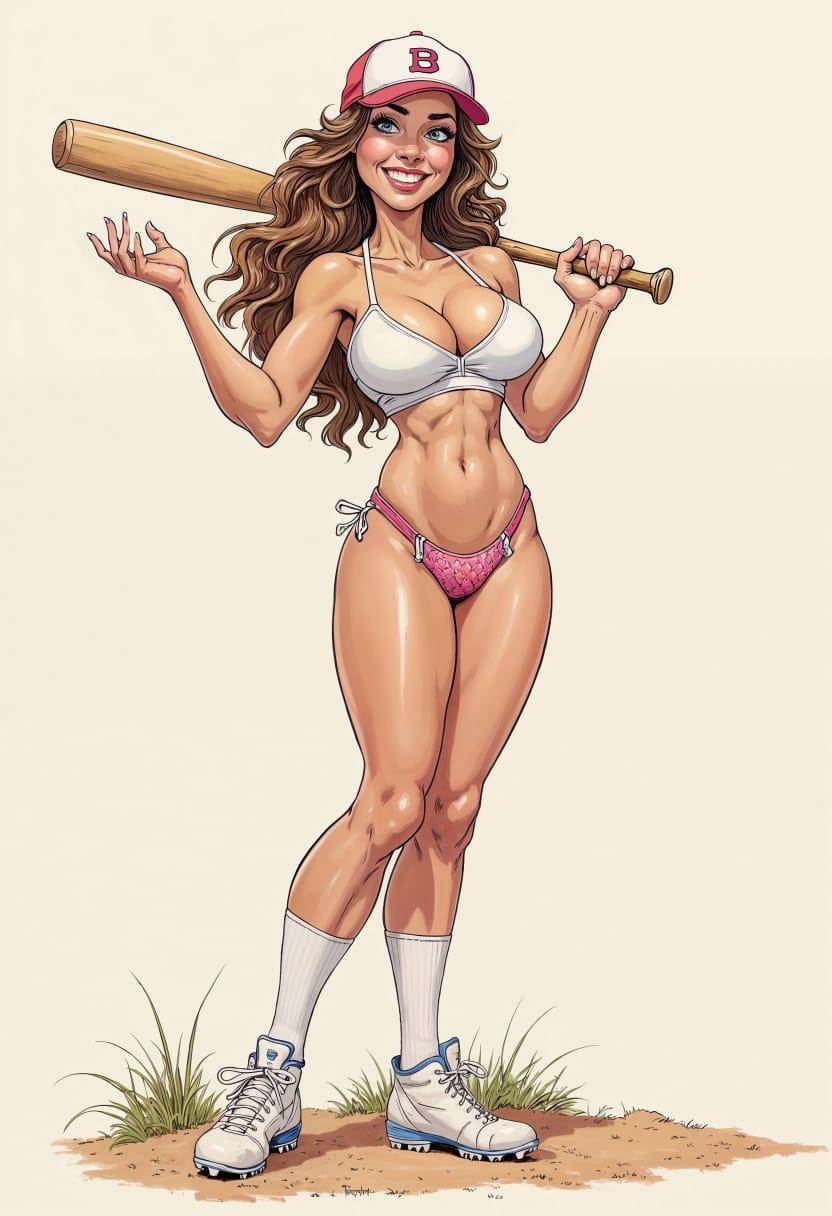
Vintage baseball fashion shows reveal how the sport’s uniforms reflected broader cultural shifts over the decades. The fabric technology behind modern uniforms helps players stay cool, proving baseball fashion isn’t just about looks. Celebrity fans often sport baseball caps and jerseys, boosting the popularity of baseball fashion worldwide.
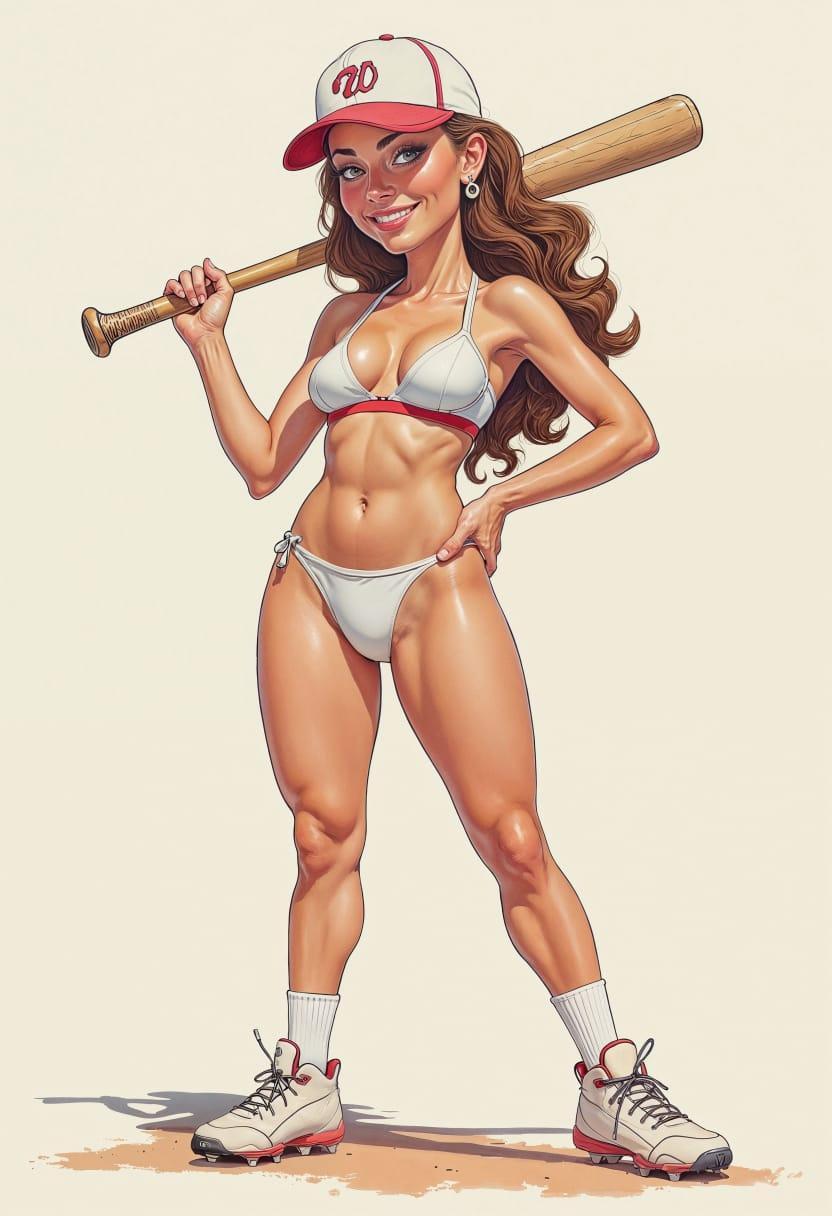
The design of baseball socks has evolved from thick wool to lightweight, breathable materials, improving comfort and style. Players’ hairstyles and facial hair often become part of their overall baseball fashion image. Glove manufacturers now offer custom embroidery, adding personal flair to baseball fashion accessories.
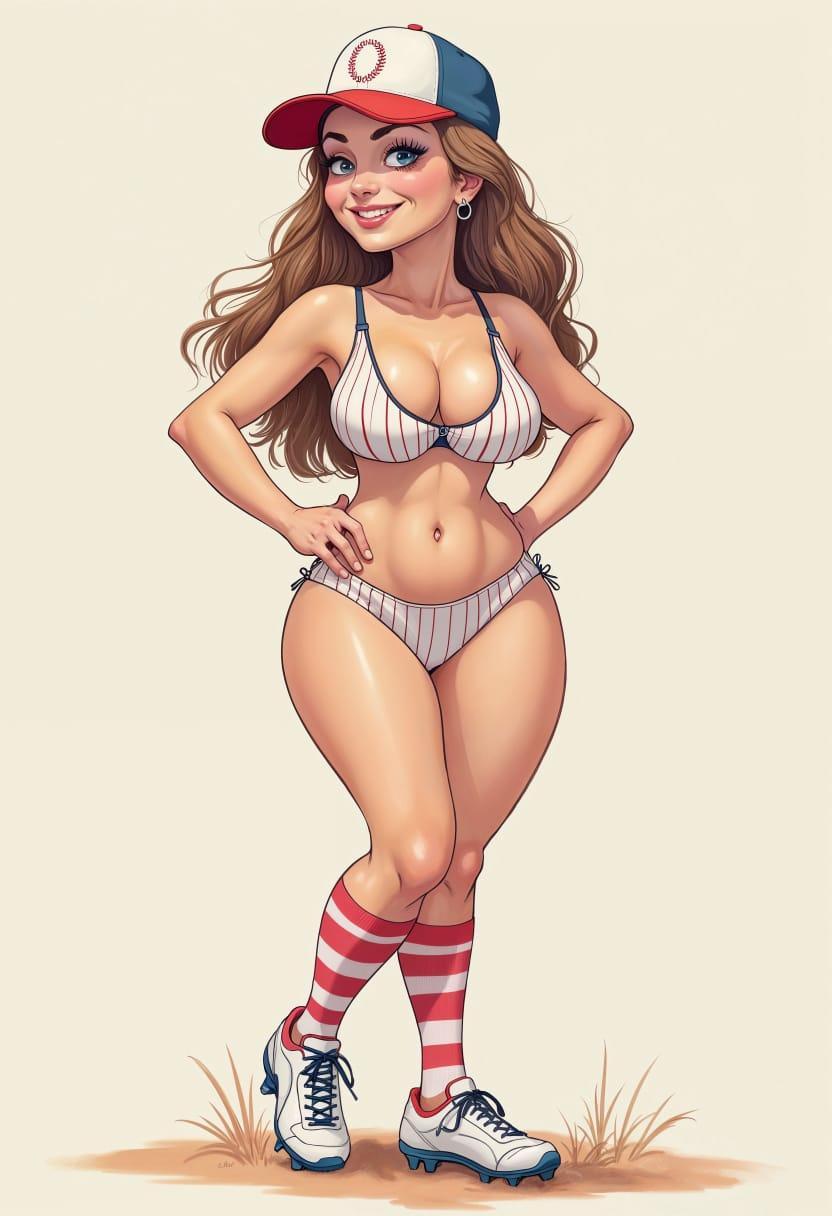
In some teams, alternate uniforms feature city landmarks or cultural symbols, blending local pride with baseball fashion. Some players wear long sleeves under jerseys in bright colors to stand out, using fashion to express personality. The iconic red stitching on baseballs inspired several team uniform accents in baseball fashion history.
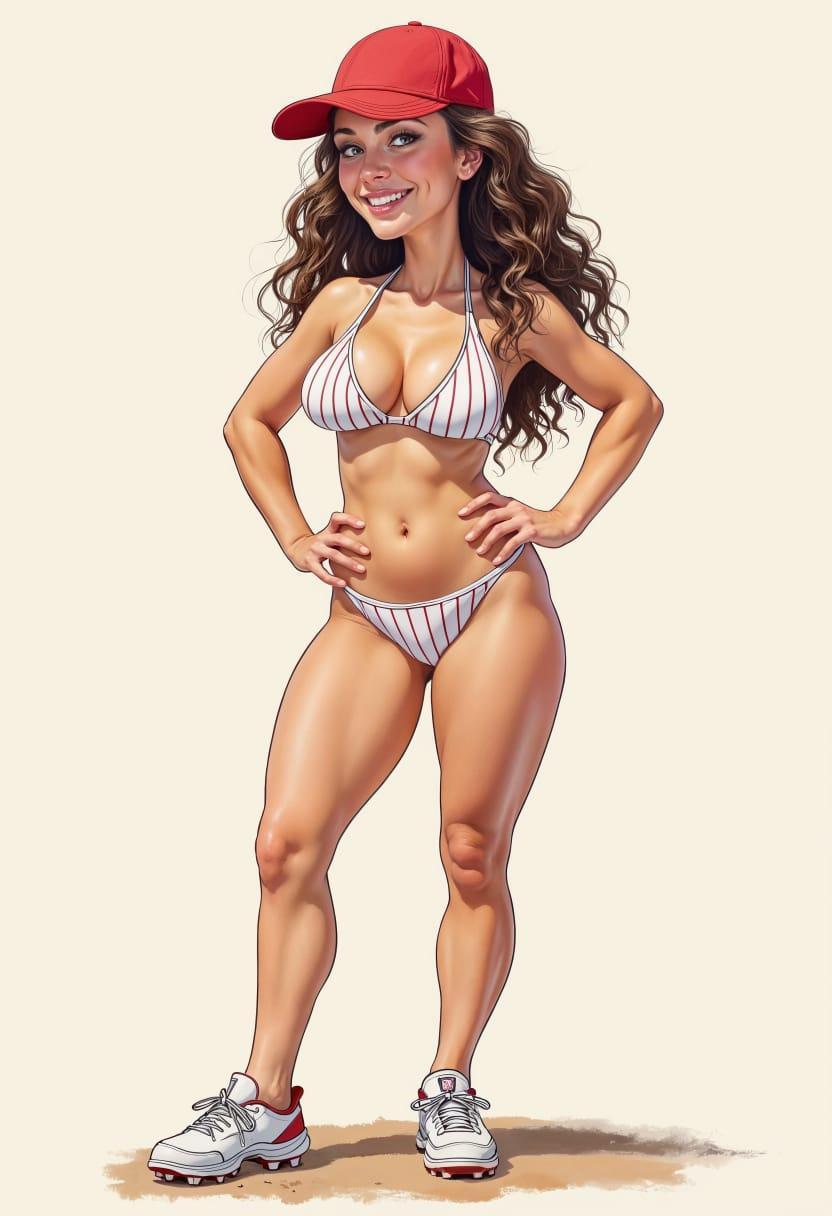
The tradition of the “home white” and “away grey” uniforms remains strong, but some teams have added colorful alternates for baseball fashion fun. Baseball fashion extends to fan apparel, with many people collecting caps and jerseys from favorite teams and players. The baseball glove break-in process can take weeks, but a well-worn glove becomes a fashion statement on its own.
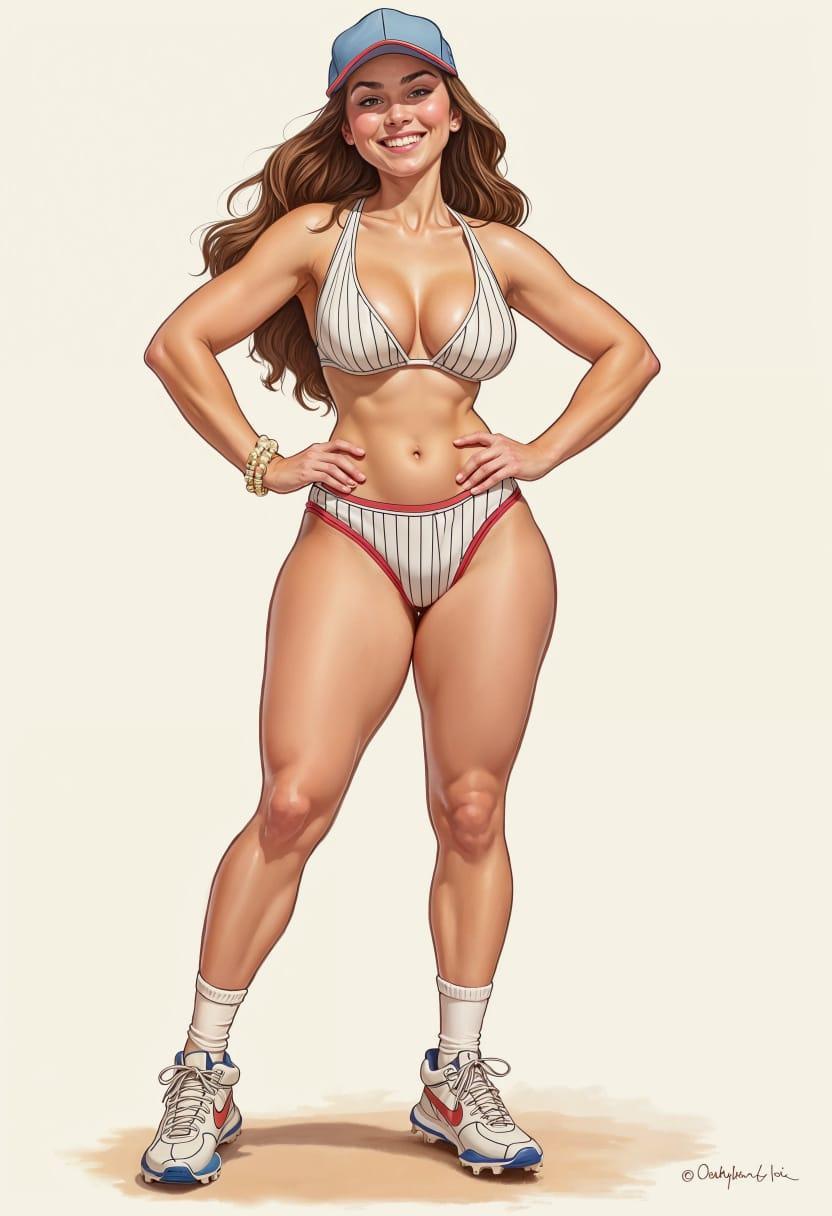
The simplicity of the classic baseball cap keeps it a staple in baseball fashion, easily paired with any casual outfit. Even as trends change, baseball fashion holds on to its roots by honoring the sport’s history through design and style. Custom patches and pins let players and fans celebrate moments, turning baseball fashion into a living story.