Apple pie filling
- Fun pictures /
- Food /
- Apple pie filling

Did you know apple pie filling once helped sell refrigerators? In the 1950s, ads featured chilled pies to showcase how well fridges preserved freshness. Some bakers add a dash of cheddar cheese to apple pie filling for a savory twist—it’s a tradition in parts of the U.S. Canned apple pie filling became popular during WWII when home canning surged to support troops and families.

Apple pie filling can be made with green or red apples, but Granny Smiths are top picks for their tart bite. In Sweden, a similar filling is used in “äppelkaka,” a warm cake often served with vanilla sauce. Apple pie filling isn’t just for pie—it’s often used in turnovers, dumplings, or even spooned over pancakes.

A sprinkle of lemon juice in apple pie filling keeps the apples from browning and adds a tangy balance. Native Americans used wild crabapples for early versions of apple fillings before sweet varieties were available. Adding cornstarch or flour thickens apple pie filling and keeps it from turning into soup in the oven.

Many commercial apple pie fillings contain cinnamon, but some also sneak in nutmeg and clove for warmth. Microwaving apple pie filling with oats and a bit of butter makes a quick single-serving apple crisp. In colonial America, whole pies—filling and crust—were sometimes stored in barrels of whiskey to preserve them.

A rustic galette uses the same basic apple pie filling but with folded edges and no pie pan. When apples are overripe, turning them into filling prevents food waste and keeps the flavor strong. Some bakers use honey instead of sugar in apple pie filling for a floral, less processed sweetness.

Apple pie filling freezes well for up to six months, making it easy to prep ahead of the holidays. Slow cookers are a great way to simmer apple pie filling with less effort and tons of flavor. Some chefs add a splash of bourbon or brandy to the filling to deepen the aroma and add complexity.

If your apple pie filling is too runny, a bit of instant tapioca can fix it without altering the taste. In Germany, apple filling is often used in “Apfelstrudel,” where it’s rolled up in thin dough. Some people mix cranberries or raisins into their filling for added texture and a burst of tartness.

You don’t need to peel the apples—many recipes keep the skins on for extra fiber and color. Warm apple pie filling over ice cream is a classic comfort food—fast, sweet, and cozy. Apple pie filling is a go-to shortcut for quick fall-themed desserts like cobblers and trifles.

The scent of cinnamon-laced apple pie filling is known to trigger nostalgic memories and appetite. In some rural communities, filling is canned in large jars during harvest and gifted to neighbors. Maple syrup is sometimes used in place of sugar to give the filling a distinctly autumn flavor.

Apple pie filling can be layered in mason jars with cake crumbs and whipped cream for instant parfaits. Many pre-made fillings are made with thickeners and preservatives, but homemade versions use simple ingredients. There’s even a camping trick—fill a tortilla with apple pie filling and toast it over a campfire.

Using a mix of sweet and tart apples creates a more dynamic flavor in the filling. Apples shrink as they bake, so fillings are often “overstuffed” to compensate. In the 1800s, vinegar was added to apple pie filling when lemons were too expensive or hard to find.

Dutch apple pies often top the filling with a crumbly streusel instead of a top crust. For a caramel twist, mix in brown sugar and butter to turn apple pie filling into something richer. Before sugar was common, early settlers used molasses or even maple sap to sweeten apple fillings.

You can fold chilled apple pie filling into puff pastry for an easy brunch treat. Apple pie filling stuffed into French toast makes for an indulgent weekend breakfast. In some southern recipes, the filling is spiced with allspice and clove for extra kick.

Apple pie filling is naturally gluten-free, but check labels when buying canned versions. Leftover filling? Blend it with yogurt or oatmeal for a quick apple-flavored breakfast. Some chefs roast the apples first before adding them to the filling for deeper flavor.

You can cook apple pie filling on the stove in just 20 minutes with butter, sugar, and cinnamon. Mini pies or hand pies use the same filling—perfect for lunchboxes or bake sales. Old-fashioned apple pie filling sometimes included rosewater or orange blossom for floral notes.

Don’t have pie crust? Use crushed graham crackers or cookies to make a base for apple pie filling. Apple pie filling pairs surprisingly well with cheddar cheese on sandwiches or crostini. During the Great Depression, apple fillings were sometimes stretched with mashed potatoes or turnips!

A dash of salt in the filling boosts the sweetness and brings out apple flavors. Sautéing the apples before baking helps control moisture and enhances caramelization. Some bakers thicken apple pie filling with arrowroot instead of cornstarch for a clearer finish.

Air-fried apple pies use the same filling but bake up with a crispy, flaky texture. Apple pie filling isn't just American—variations exist in Poland, Ukraine, and Japan. Even astronauts have enjoyed apple pie filling as part of their space meals!
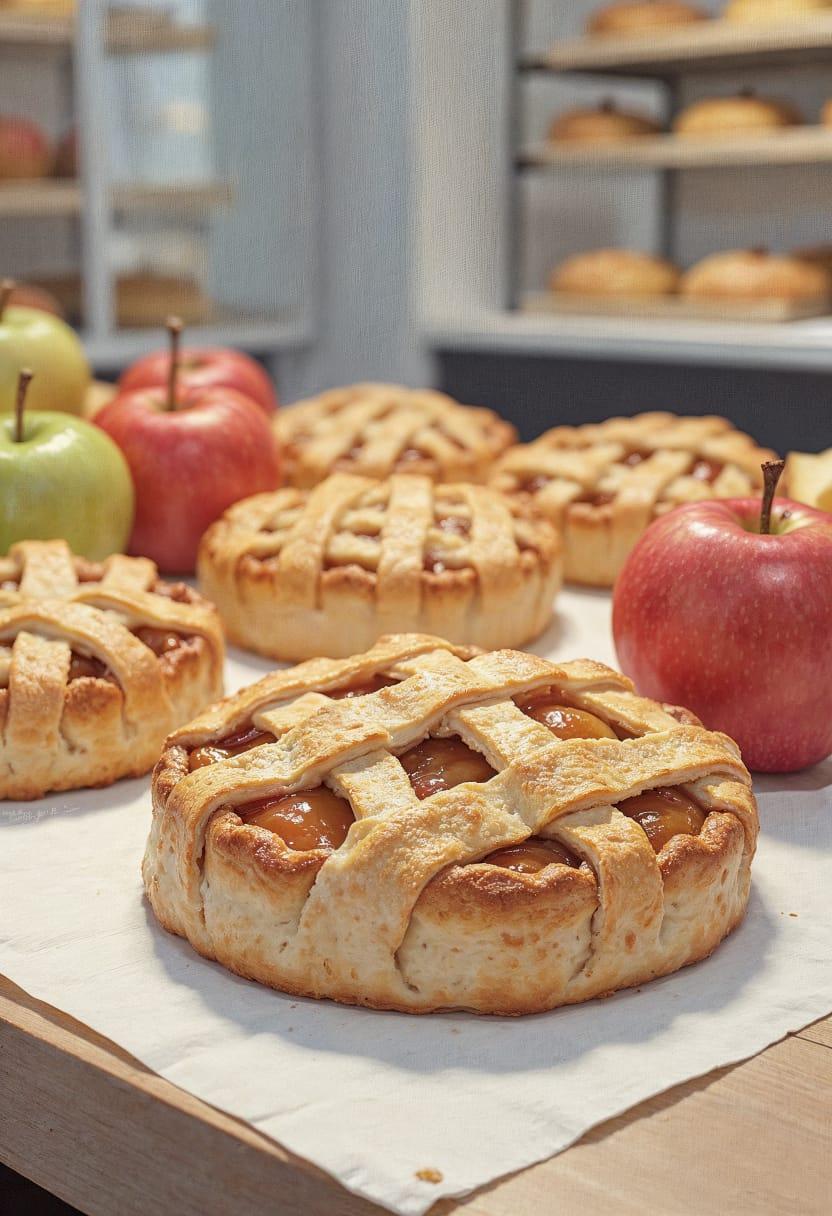
You can spread apple pie filling on toast for a quick mock apple strudel breakfast. Add a pinch of black pepper to give the filling a subtle heat that balances the sweetness. Apple pie filling can be swirled into muffins or cupcakes for a moist, fruity surprise.
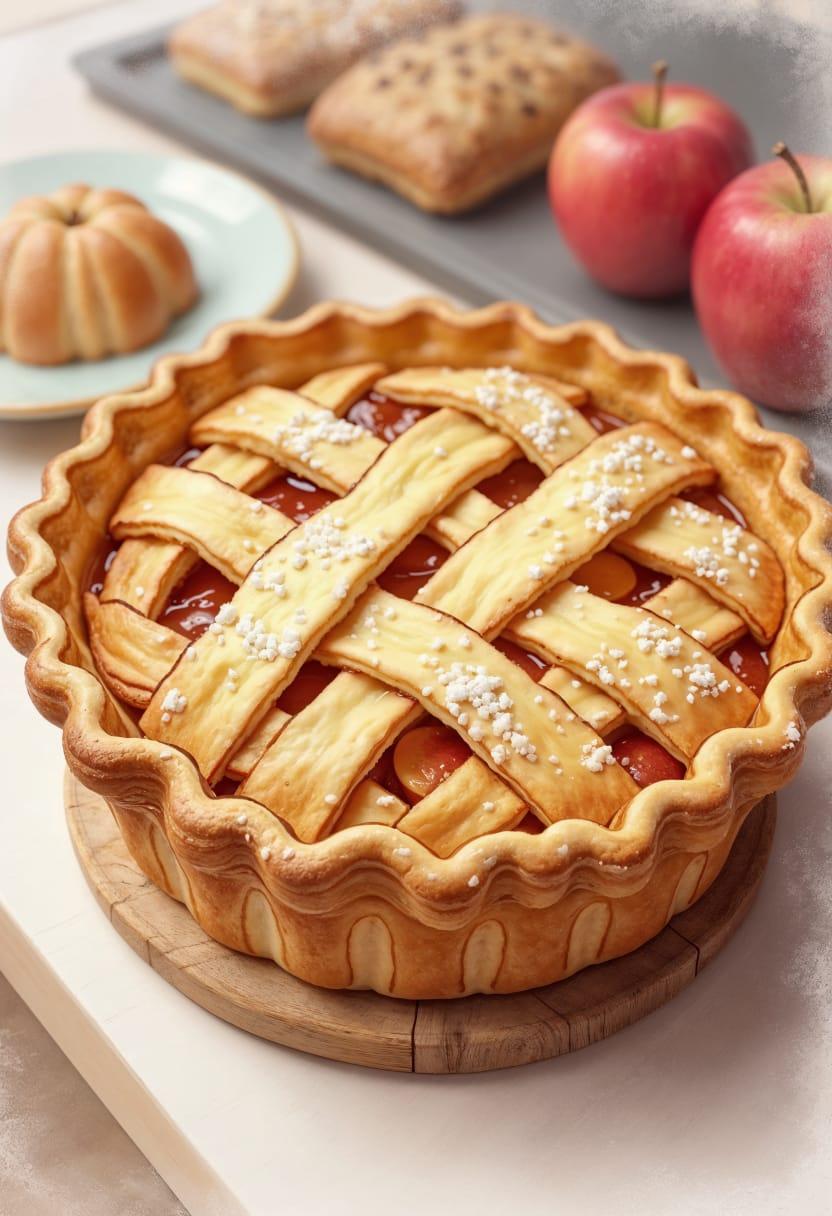
When using fresh apples, slice them evenly so the filling cooks uniformly. Some fillings are blended until smooth for a more applesauce-like texture. Kids love helping stir the filling on the stove—it’s a fun way to get them into cooking.