Business woman
- Fun pictures /
- Business /
- Business woman
The first self-made female millionaire in the U.S. was Madam C.J. Walker—she made her fortune selling hair care products for Black women. Being a business woman in the 1800s meant running shops, inns, or even boarding schools from your own living room. A 2023 study showed that companies led by a business woman were more likely to focus on employee well-being and sustainable growth.
In Japan, women known as “onna-bugeisha” ran businesses while also being trained warriors—talk about multitasking. In Victorian England, some women disguised themselves as men just to sign contracts or open a business. The business suit for women didn't become mainstream until the 1980s, popularized by icons like Diane Keaton and Melanie Griffith.
Coco Chanel wasn’t just a fashion icon—she was a business woman who revolutionized how women dressed and made a global brand from scratch. The first female stockbroker on Wall Street was Muriel “Mickie” Siebert in 1967—she had to fight for her seat at the table, literally. One study found that when a business woman pitches a startup, investors tend to ask more risk-based questions than they do with male entrepreneurs.
Debbi Fields started Mrs. Fields Cookies in 1977 with no business experience—just a killer chocolate chip recipe and persistence. Hatshepsut, one of Egypt’s few female pharaohs, led economic expeditions and expanded trade routes like a true business woman. In medieval Europe, widows often took over their late husbands’ businesses and ran them successfully without skipping a beat.
When Oprah Winfrey launched Harpo Productions, she became the first Black female billionaire—an unmatched business woman move. During WWII, women ran entire factories and businesses while the men were at war, proving their capability in leadership and logistics. Some of the earliest female-run businesses in the U.S. were boarding houses and laundries—often the foundation of family wealth.
Indra Nooyi, former CEO of PepsiCo, once said she would write notes to her employees’ parents thanking them for raising such great people. A business woman in ancient China could inherit and run silk weaving operations, managing dozens of workers. Fashion designer Vera Wang started her empire at age 40—proof that a late start doesn’t limit success.
Sara Blakely turned \$5,000 and a clever undergarment idea into Spanx, now a billion-dollar company. In 1910, women made up less than 5% of business owners in the U.S. Today, it’s over 40%. Being a business woman today often means juggling careers, family, and personal development all in one day.

Mary Kay Ash launched her cosmetics company in 1963 after being passed over for a promotion—then she outsold them all. In 18th-century France, Madame Clicquot took over her husband's champagne business and turned it into a global name. A modern business woman is more likely to invest in community impact than solely focus on profit.
Beyoncé’s brand Parkwood Entertainment handles everything from film production to fashion—true business woman power. In early America, women often operated apothecaries and general stores, building trust and loyal customer bases. When the Barbie movie broke box office records, it wasn’t just art—it was a billion-dollar business run by women.

The average business woman in the U.S. works over 50 hours a week, often while handling unpaid domestic labor. A 2022 survey showed that women-owned businesses are growing twice as fast as those owned by men. The first female-led IPO in Silicon Valley was by Julie Wainwright of The RealReal in 2019.
A business woman in Lagos may run an import/export operation while also managing a household of six—resilience in action. Melinda Gates didn’t just donate money—she reshaped global philanthropy with a businesswoman’s strategy. In South Korea, chaebol daughters (heirs to family conglomerates) are rewriting what it means to be a leader.
The 2021 Forbes list of most powerful women in business included CEOs from biotech, finance, and tech. Being a business woman in Brazil can mean navigating male-dominated boardrooms while leading social justice causes. Many women in Africa’s informal economy act as business women without any official title—selling goods, managing logistics, and funding families.
Jessica Alba co-founded The Honest Company not just as a celebrity brand, but a full-scale eco-business. A study found female-led startups deliver higher revenue per dollar invested—data-driven proof of business woman excellence. Historically, midwives often doubled as local business owners, selling herbal remedies and offering childcare.
A business woman in the tech industry is more likely to mentor others than her male peers, promoting long-term equity. Katharine Graham broke ground as the first female CEO of a Fortune 500 company—The Washington Post. One of the largest micro-loan movements in the world, Grameen Bank, has over 90% of its borrowers as female entrepreneurs.
Many medieval European guilds included women, especially in textiles, brewing, and baking trades. The average female entrepreneur reinvests 90% of her income into her family and community. Business woman mentors are key to closing the gender gap in STEM and finance industries.
Many female-run businesses started in kitchens or garages—modest beginnings with massive outcomes. Before calculators, many business women managed accounts and inventories by hand while raising children. One woman’s cupcake recipe turned into a nationwide franchise—Sprinkles was one of the first cupcake-only bakeries in the U.S.
Angelina Jolie co-founded a sustainable fashion brand with artisans from conflict zones—celebrity meets business woman ethics. The average small business owner in the U.S. is increasingly likely to be female and over 40. In 2024, more than half of new businesses launched in Canada were by women.
Business women in the gig economy are redefining traditional work hours, often working smarter and more flexibly. There’s a rising trend of mompreneurs—mothers who start home-based businesses to balance family and career. The first woman to own a professional sports team was Helene Hathaway Britton—she took over the St. Louis Cardinals in 1911.
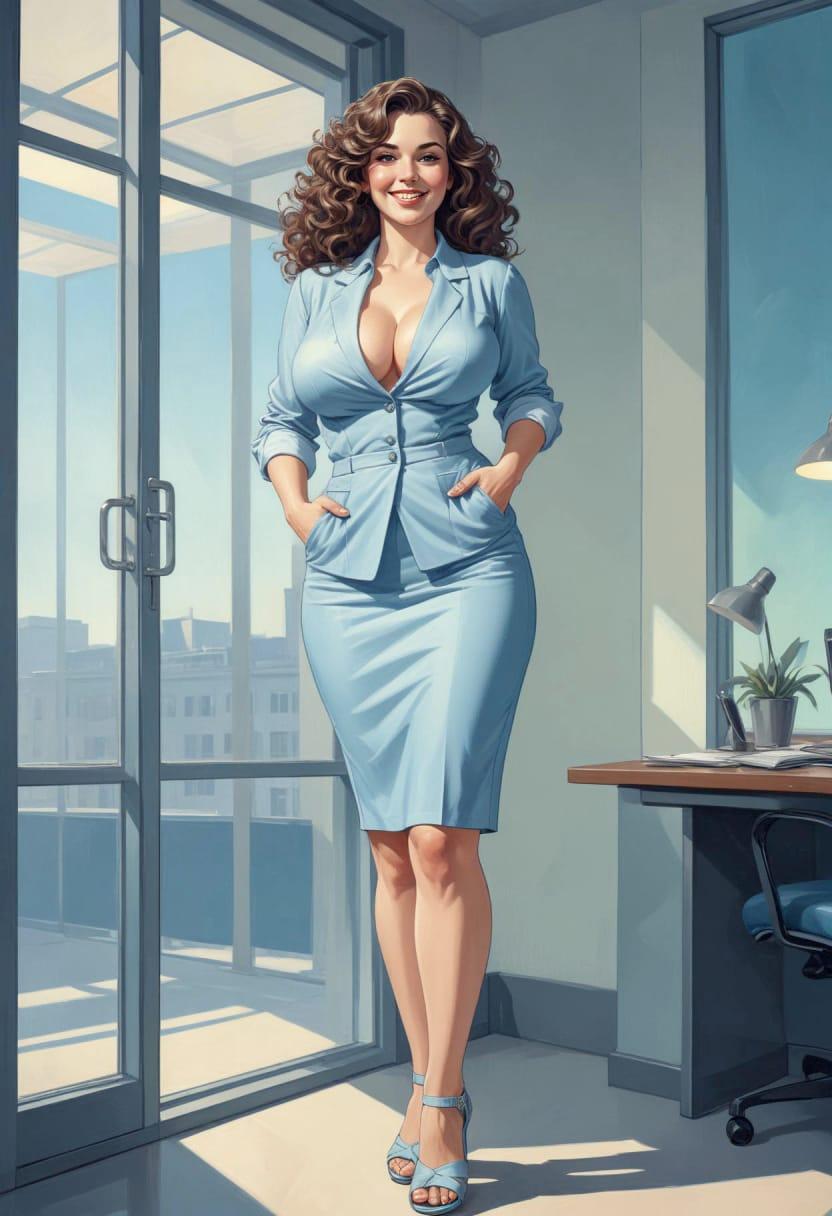
Many refugee women become successful business women in their new countries by tapping into their home cuisine or crafts. Women-led businesses are more likely to hire other women and support inclusive hiring practices. Business woman icons like Sheryl Sandberg have pushed corporate cultures toward transparency and equity.
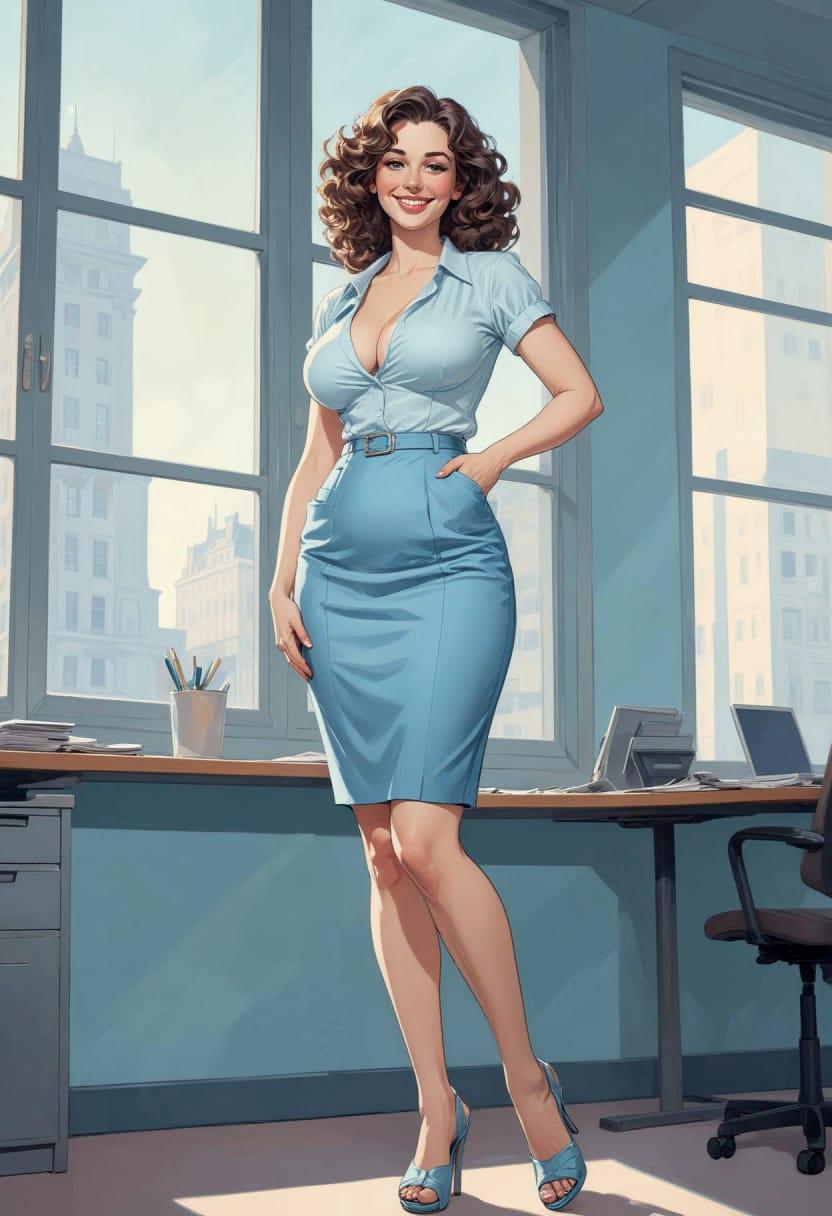
From Etsy sellers to venture capitalists, today’s business woman is reshaping industries from the ground up. Many female founders now include social impact as a core business metric, not just a side project. Across cultures, the journey of a business woman reflects resilience, reinvention, and relentless drive.